
Click on the images below to zoom in and view additional pages.

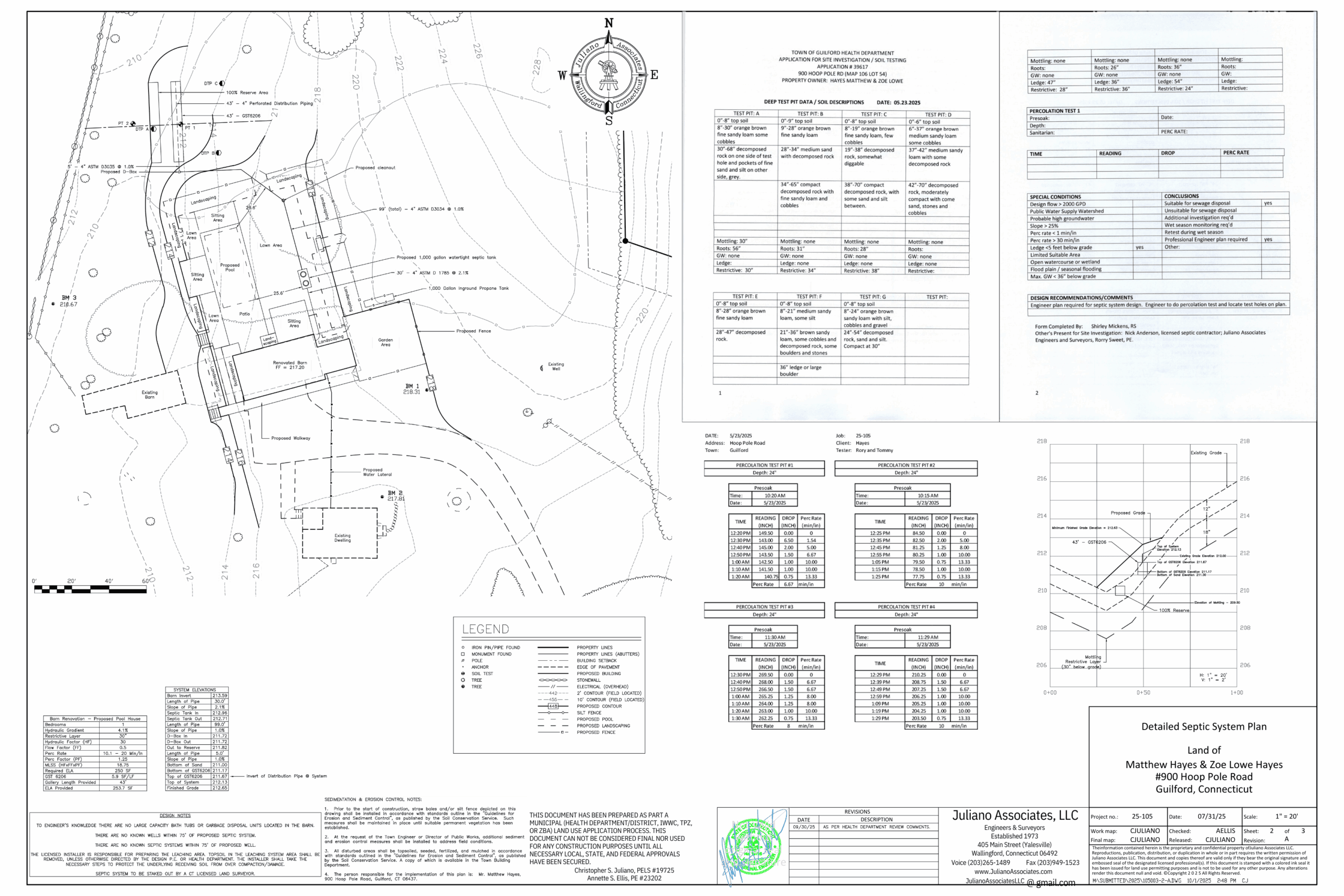
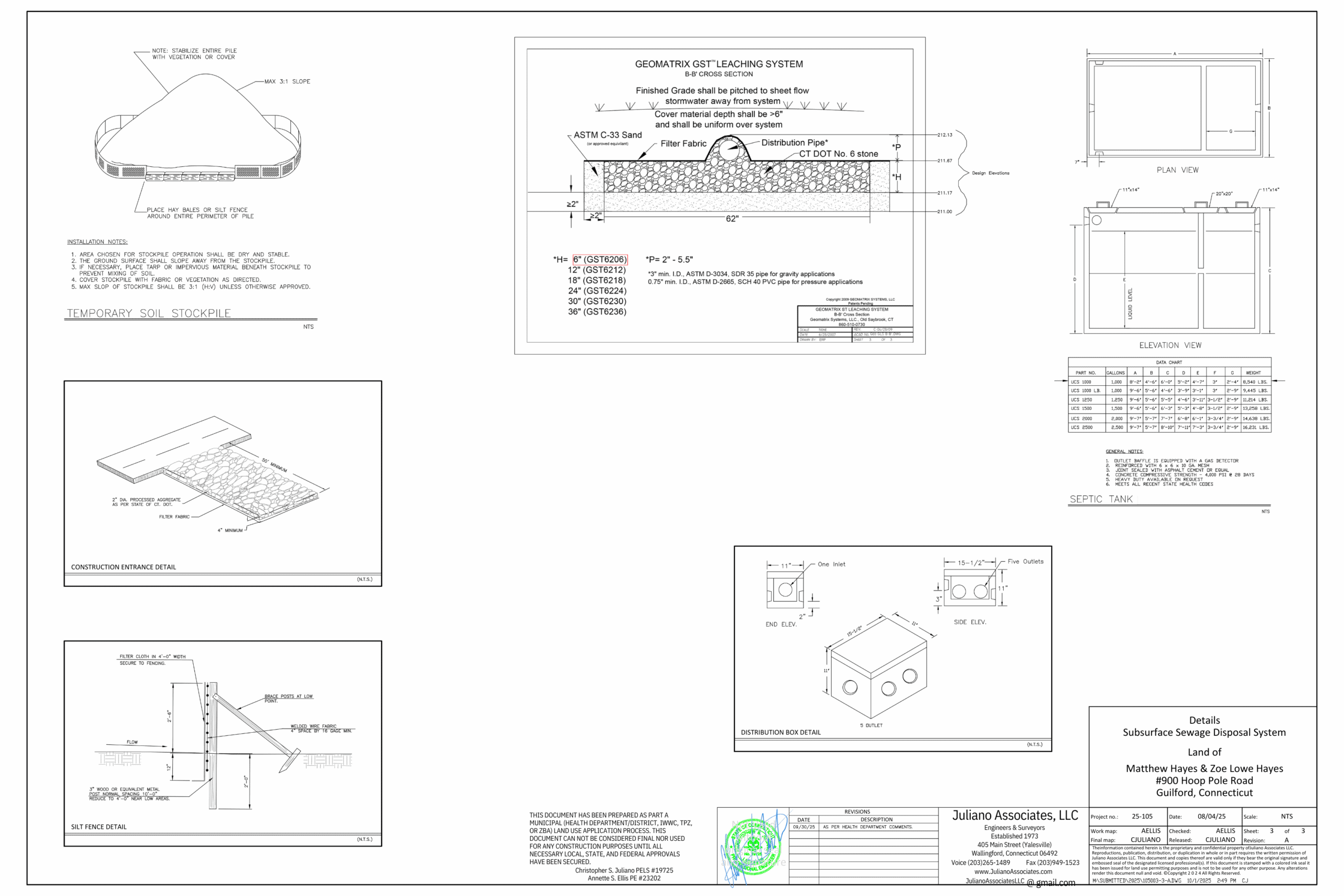
Septic System Design
Septic system design is the process of creating a detailed, site-specific plan for an on-site wastewater treatment system that treats and disposes of household sewage in areas without access to municipal sewer systems. The design process is heavily regulated by local health departments and the Connecticut Department of Public Health and must be prepared by a certified professional.
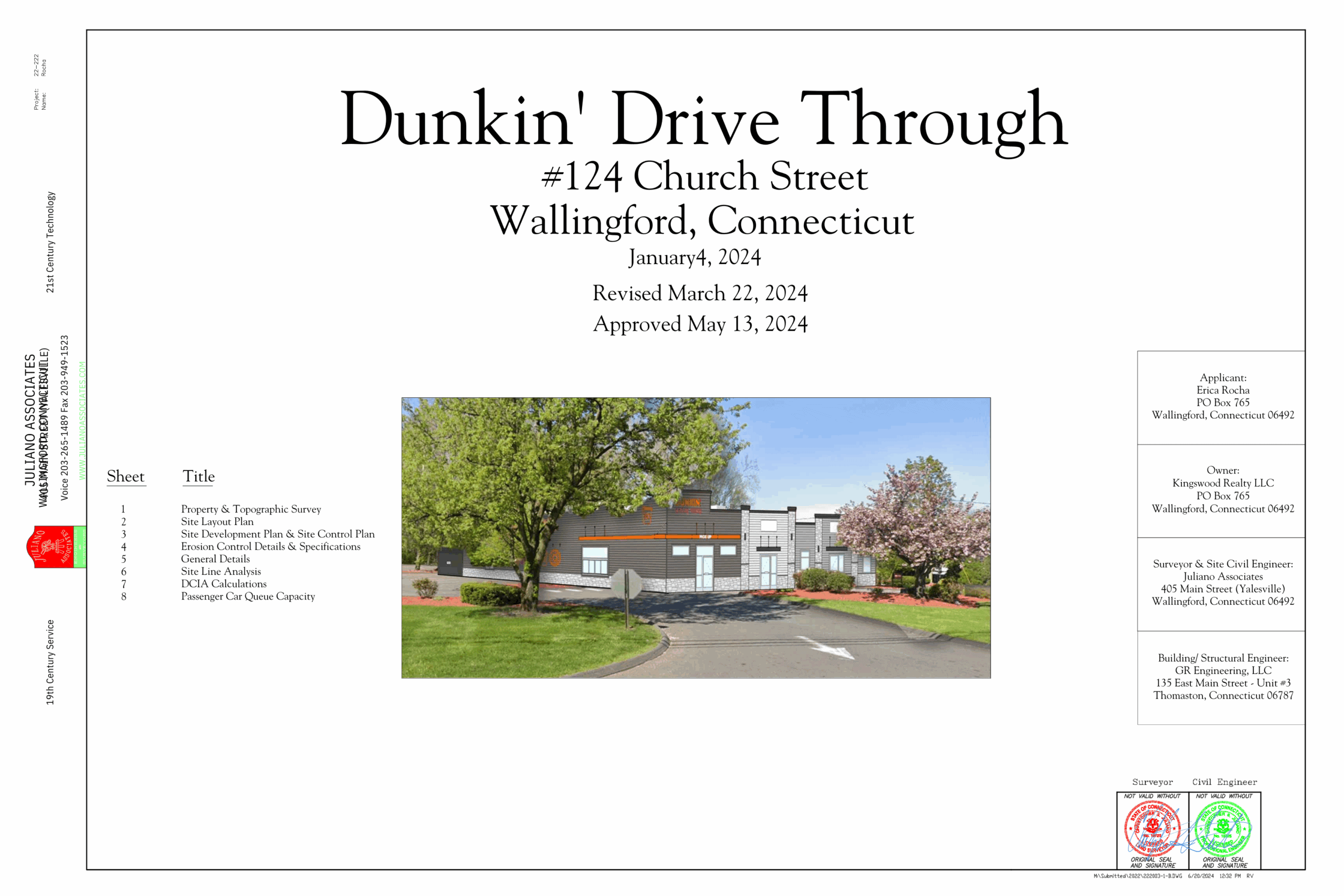
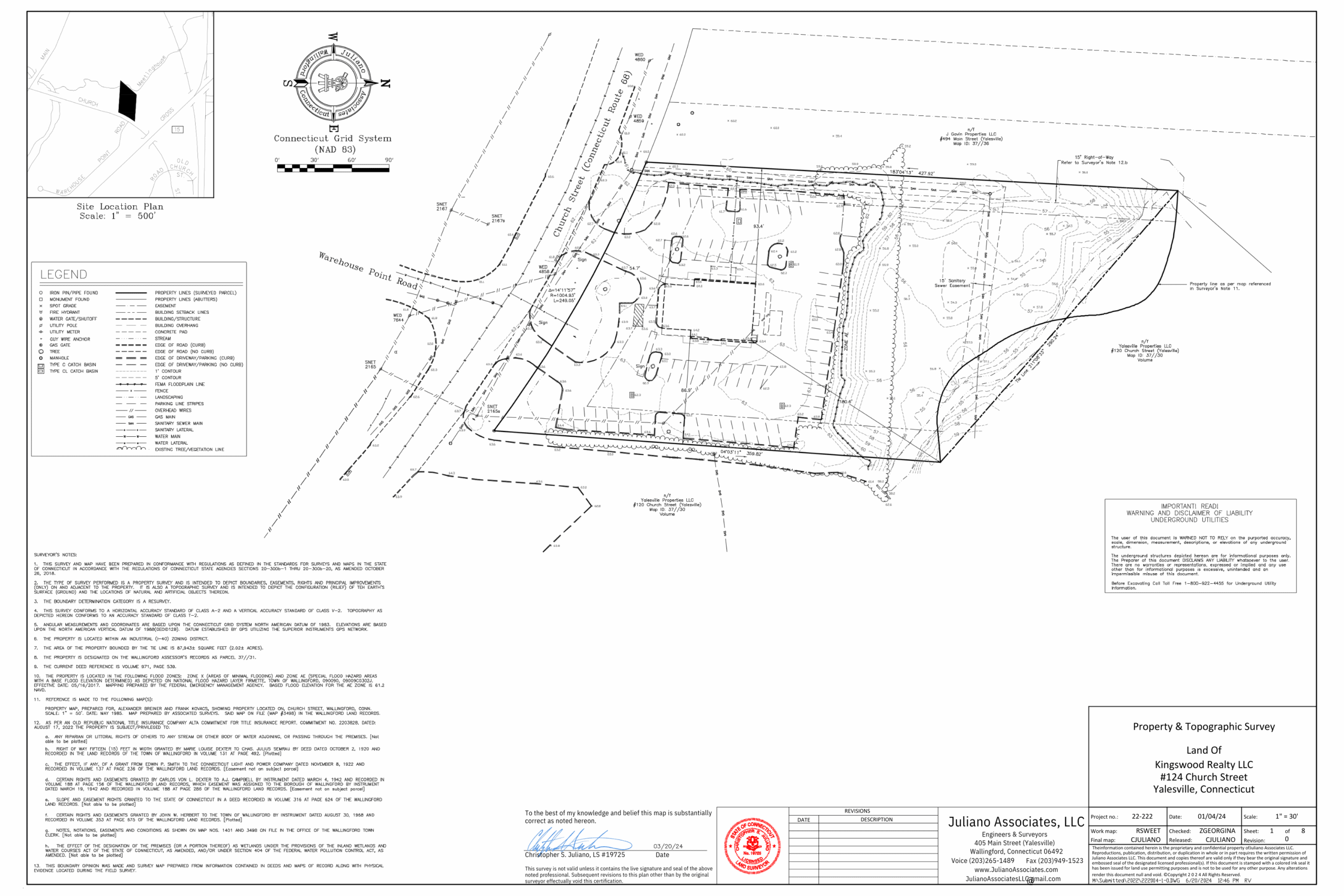
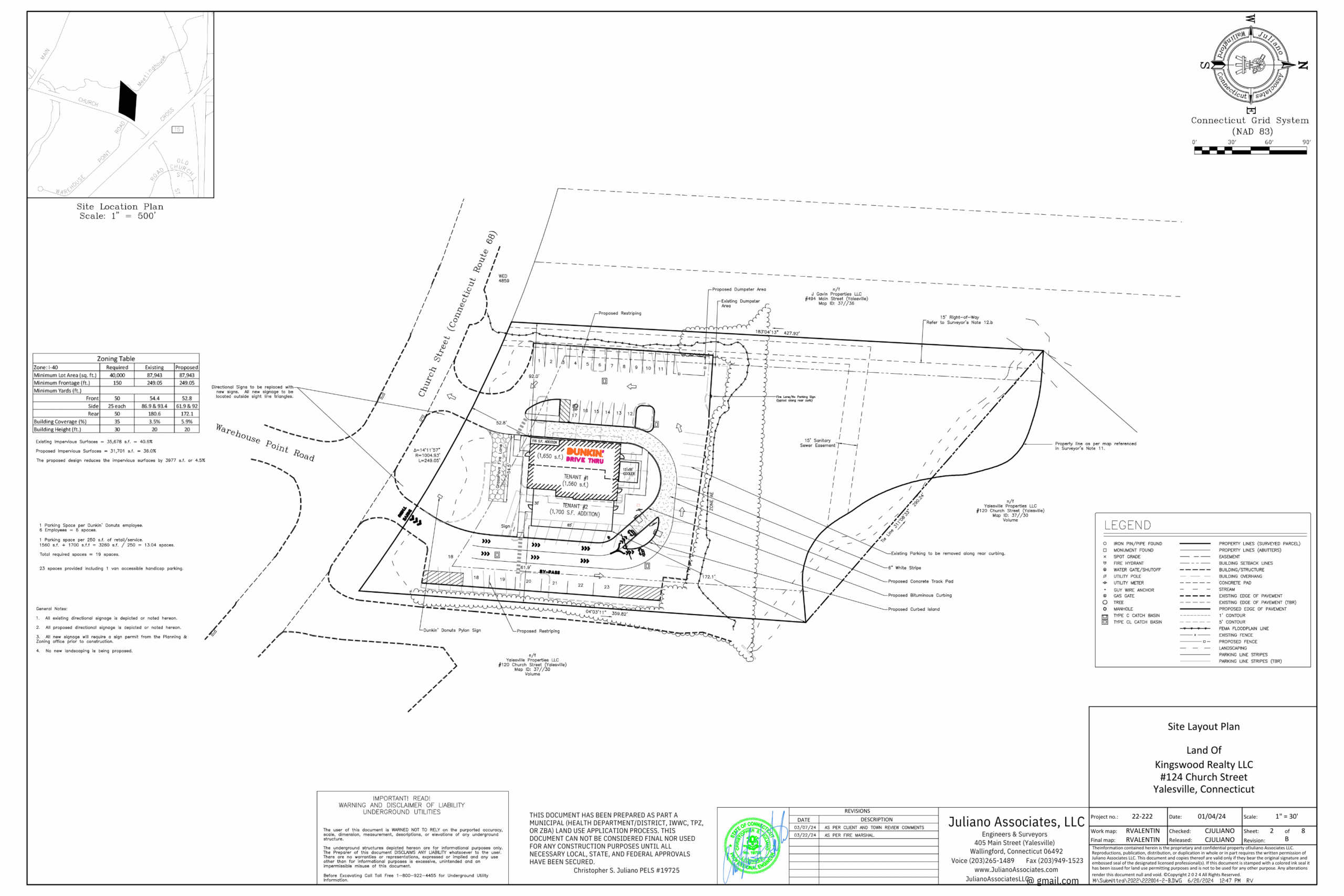
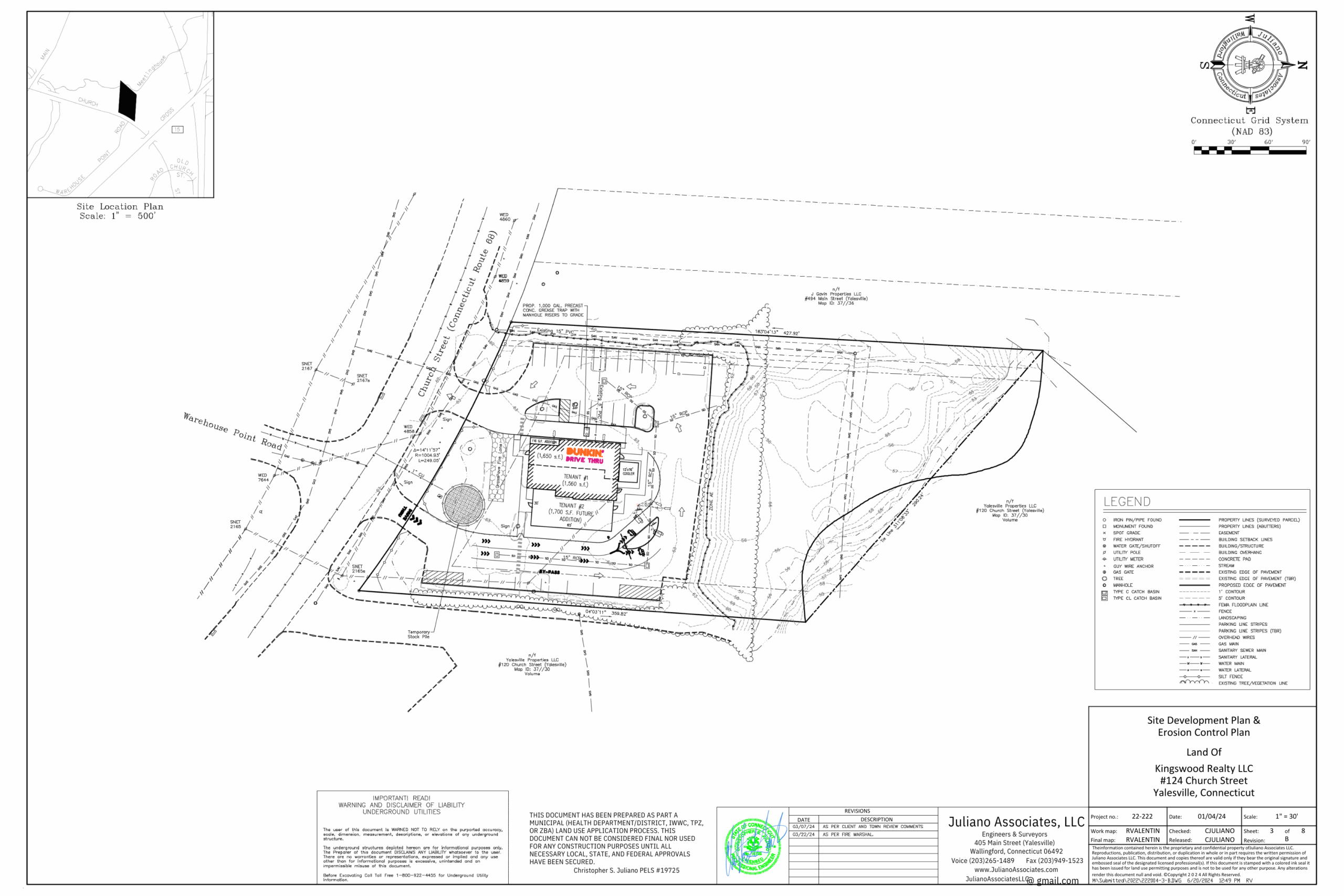
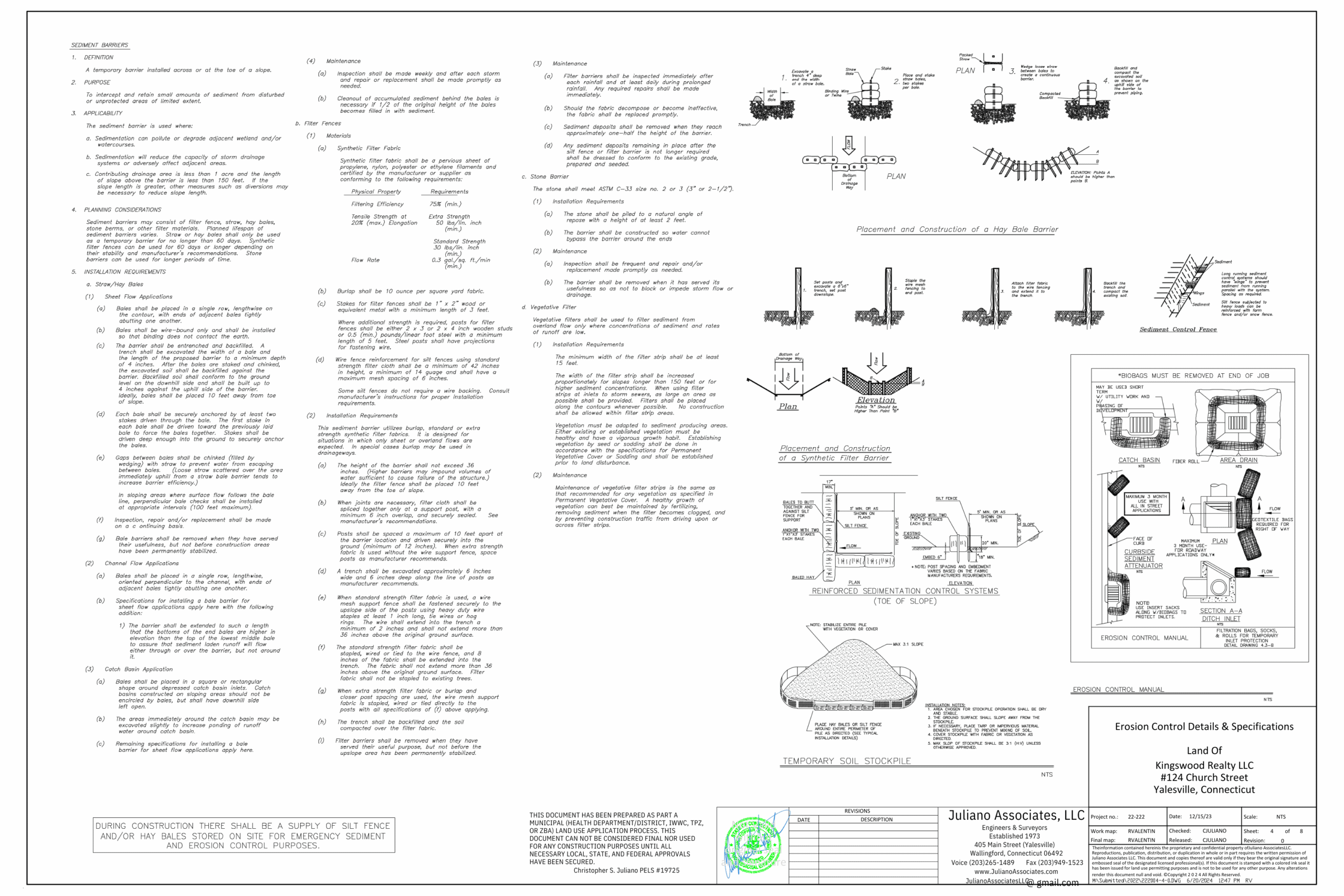
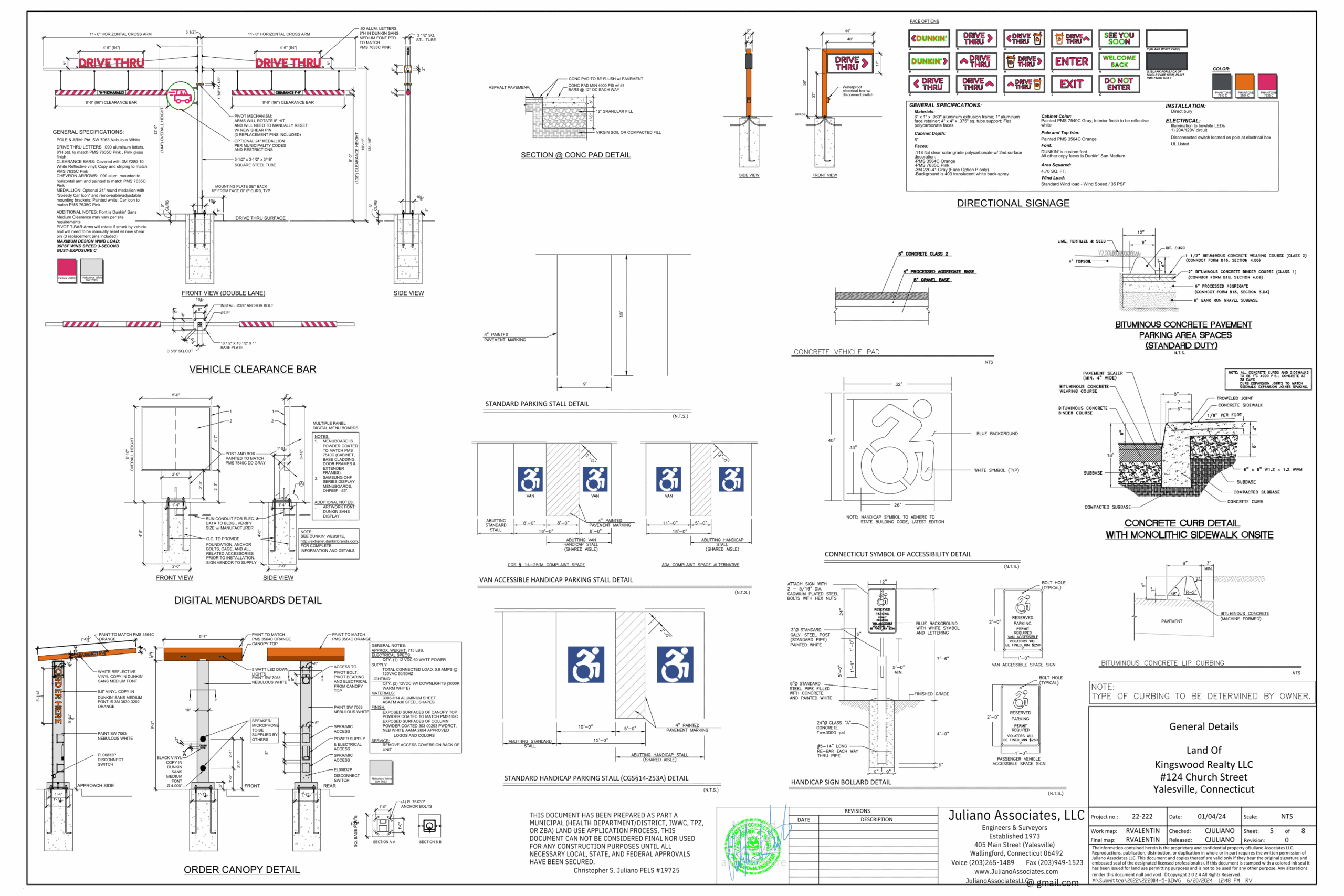
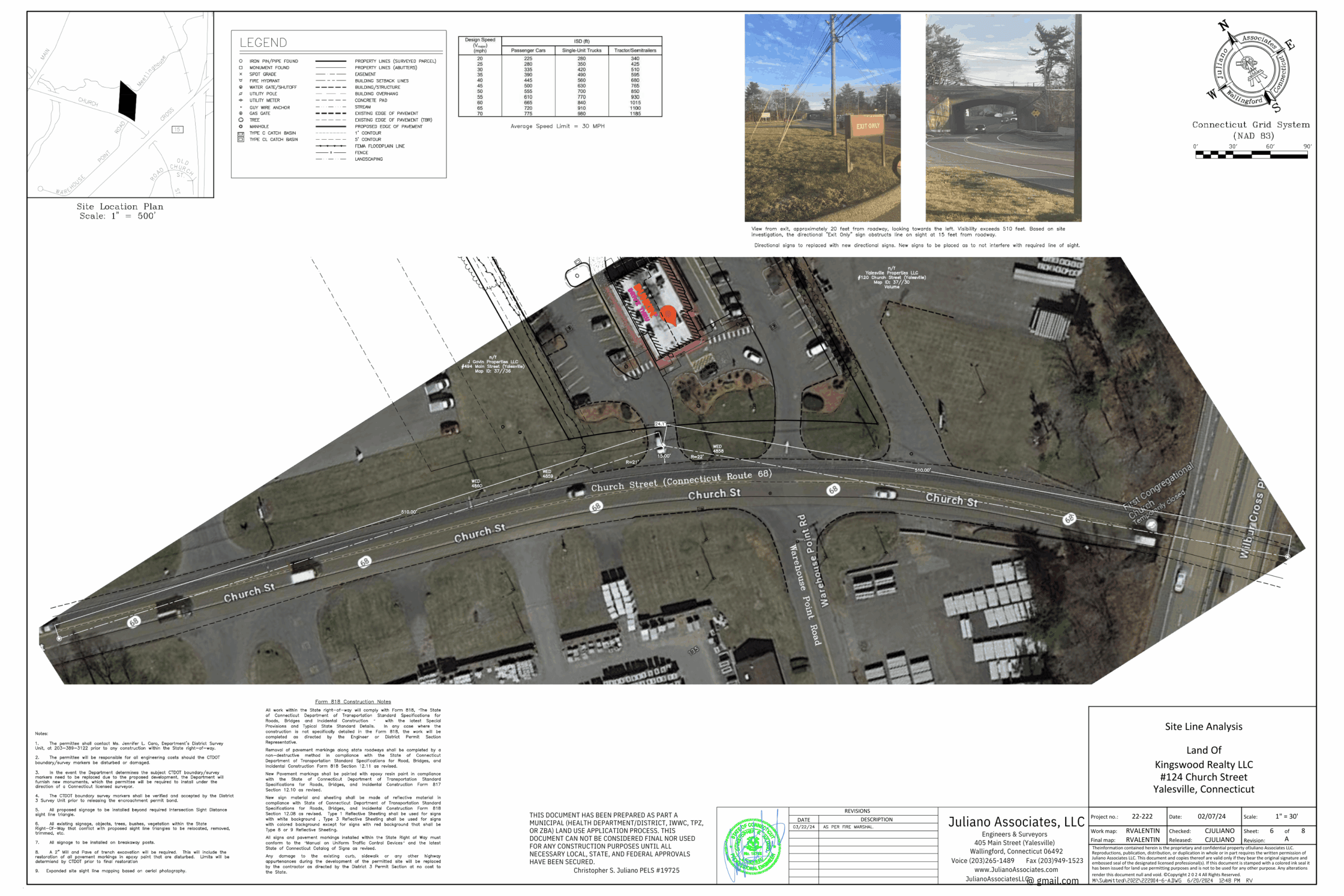
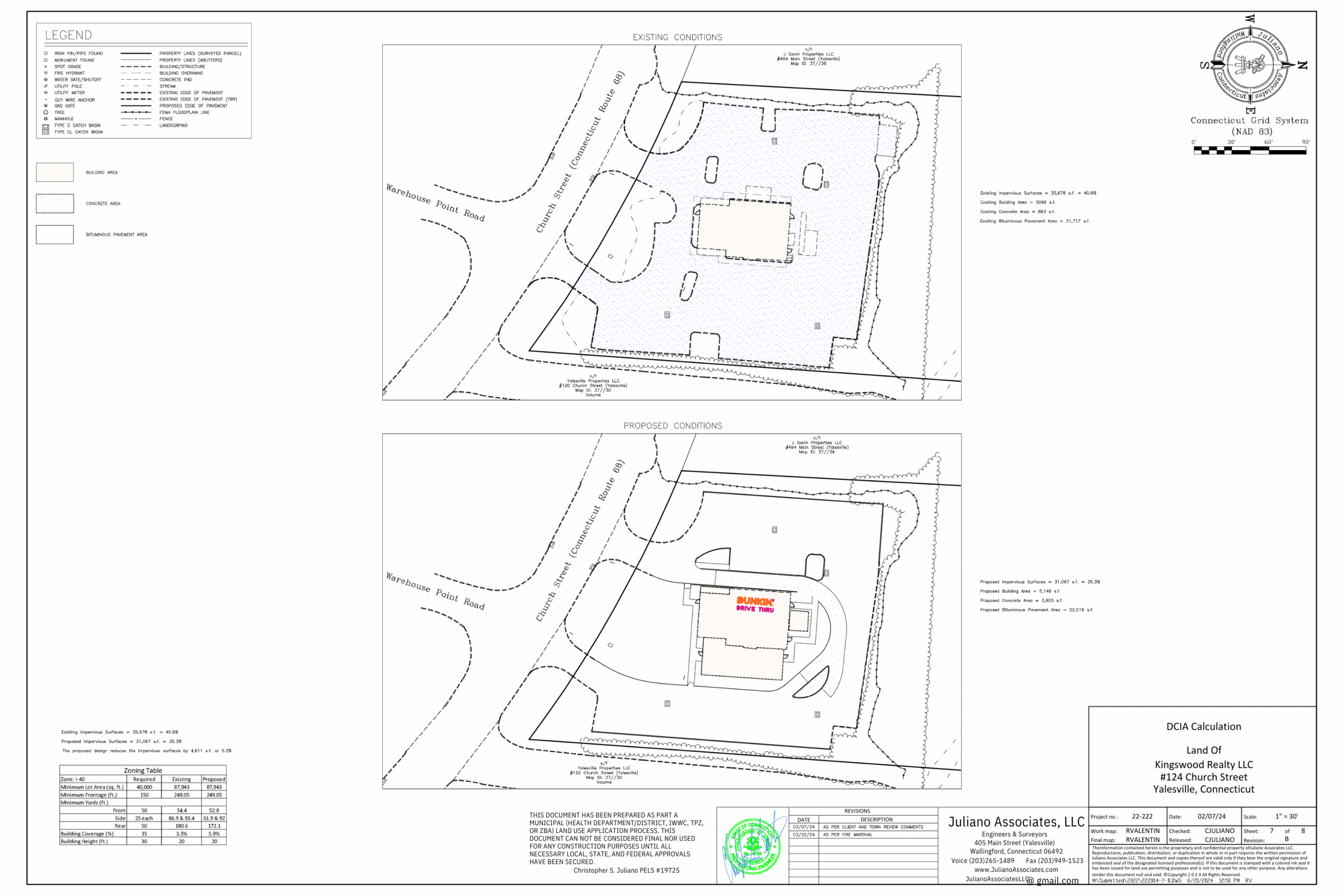

Commercial Site Design
Commercial site design is the strategic planning and engineering for properties, balancing functionality, aesthetics, and regulations to create efficient, brand aligned spaces like offices, restaurants, or retail centers. It focuses on optimizing layouts, traffic flow, landscaping, and infrastructure for maximum performance, customer satisfaction, and cost-effectiveness.
Key Aspects:
- Functionality: Optimizing space planning, workflow, and accessibility for users and deliveries.
- Traffic & Access: Designing efficient parking, driveways, pedestrian paths, and connections to major roads while minimizing conflicts.
- Branding & Aesthetics: Selecting materials and finishes that reflect the business’s identity and appeal to customers.
- Sustainability: Incorporating energy-efficient systems, smart irrigation, and eco-friendly materials.
- Compliance: Meeting local zoning, building codes, and regulatory requirements.
In essence, it turns a piece of land into a business asset by integrating the physical structure with its surroundings and operational needs, ensuring it’s both beautiful and practical for business success.
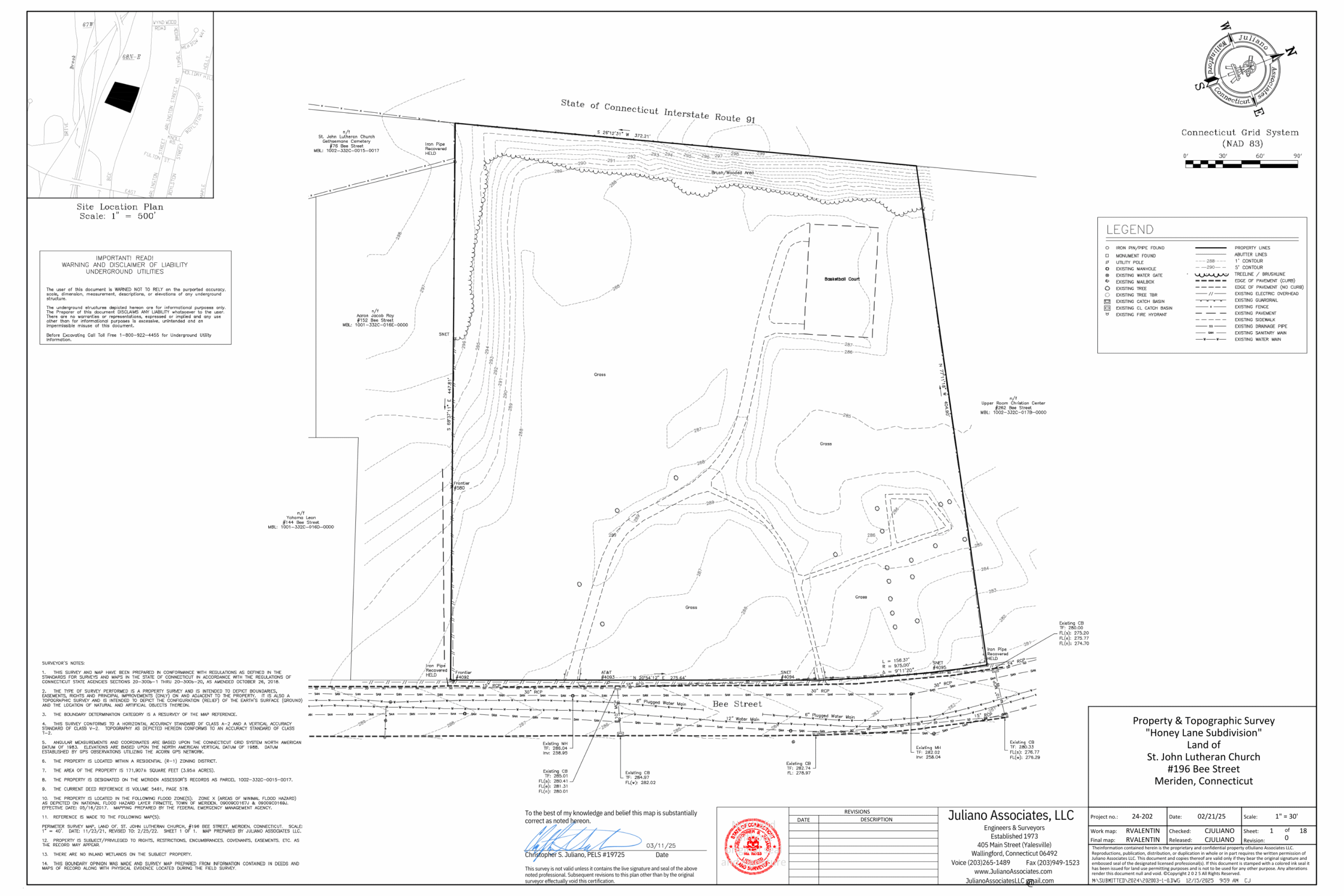
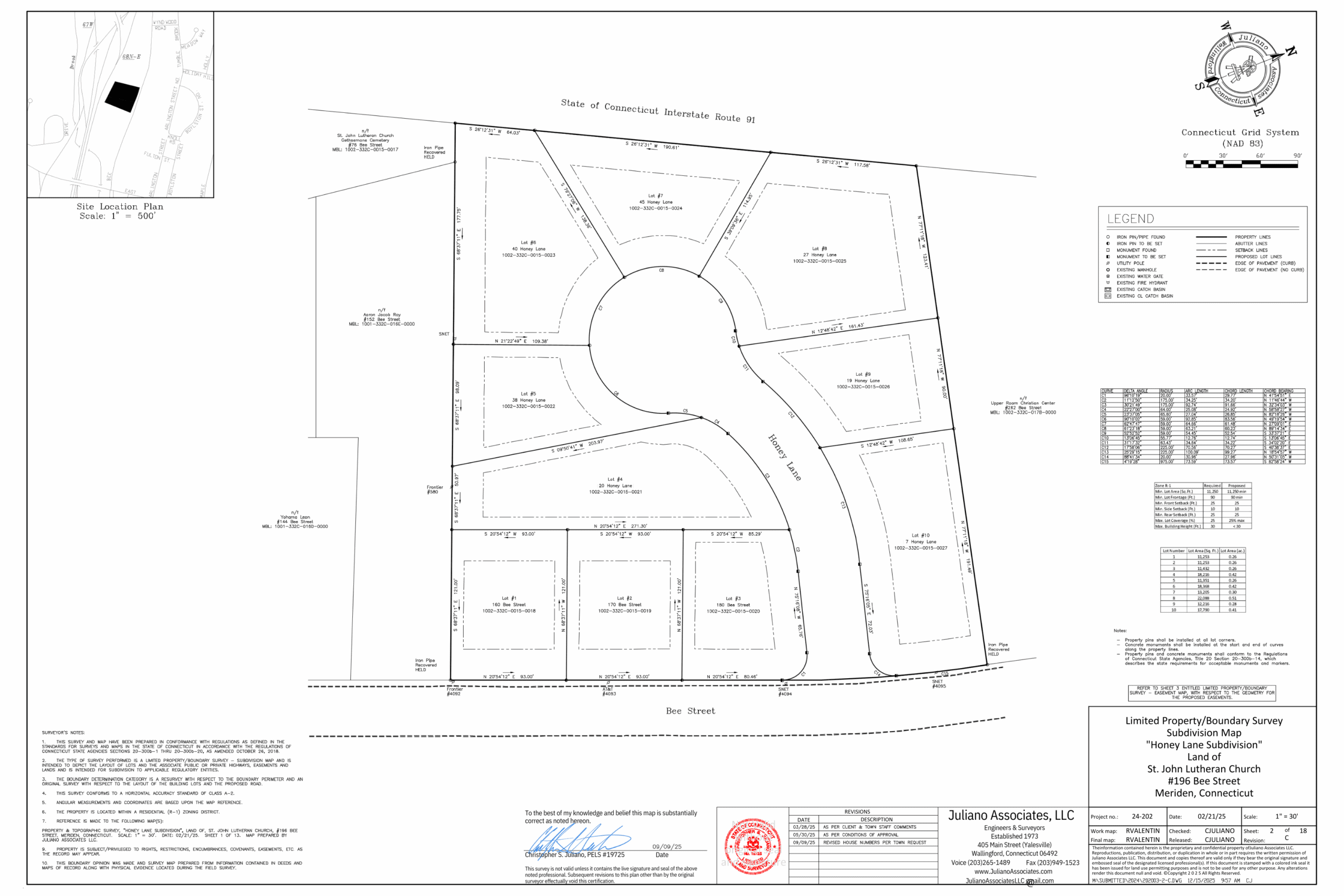
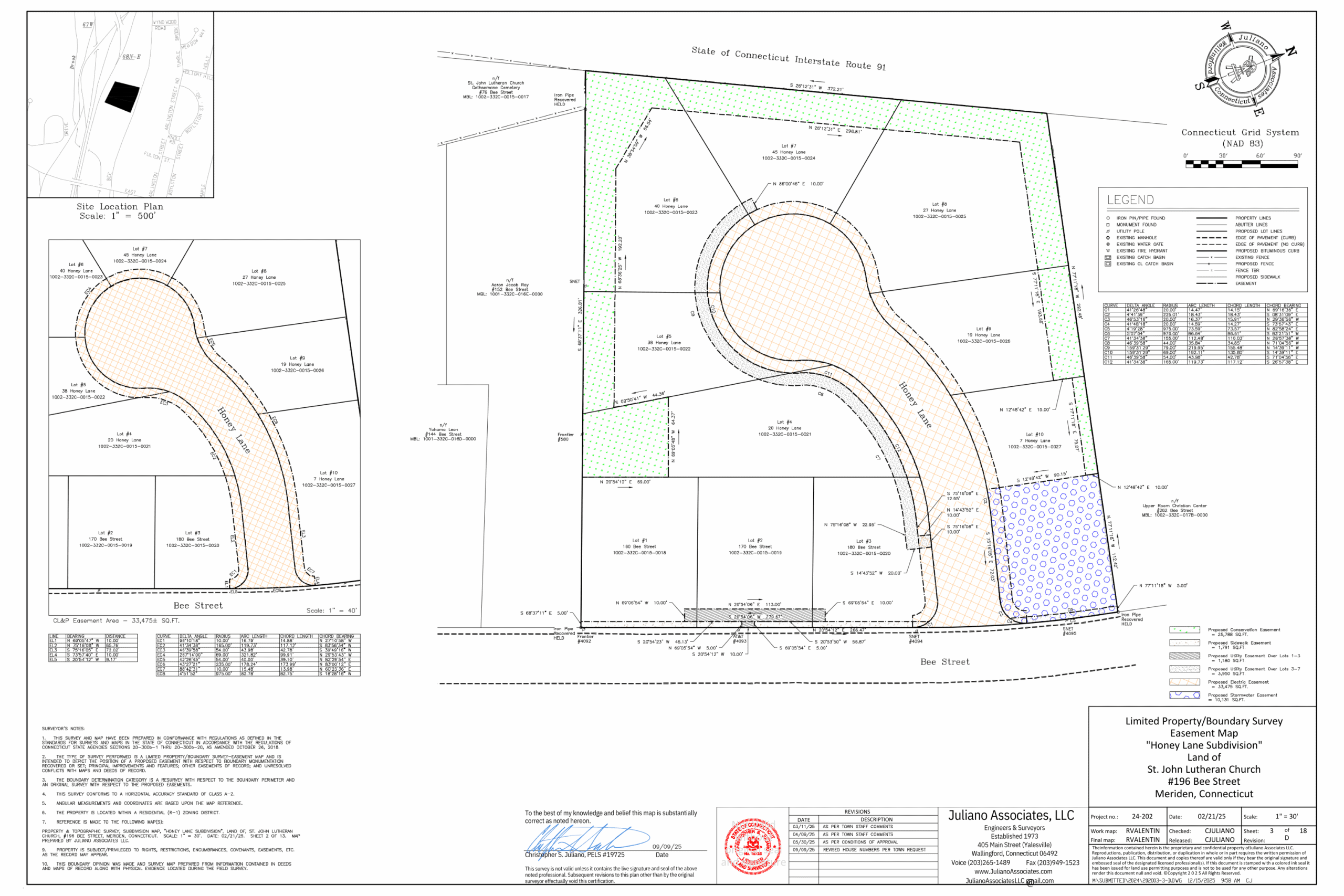
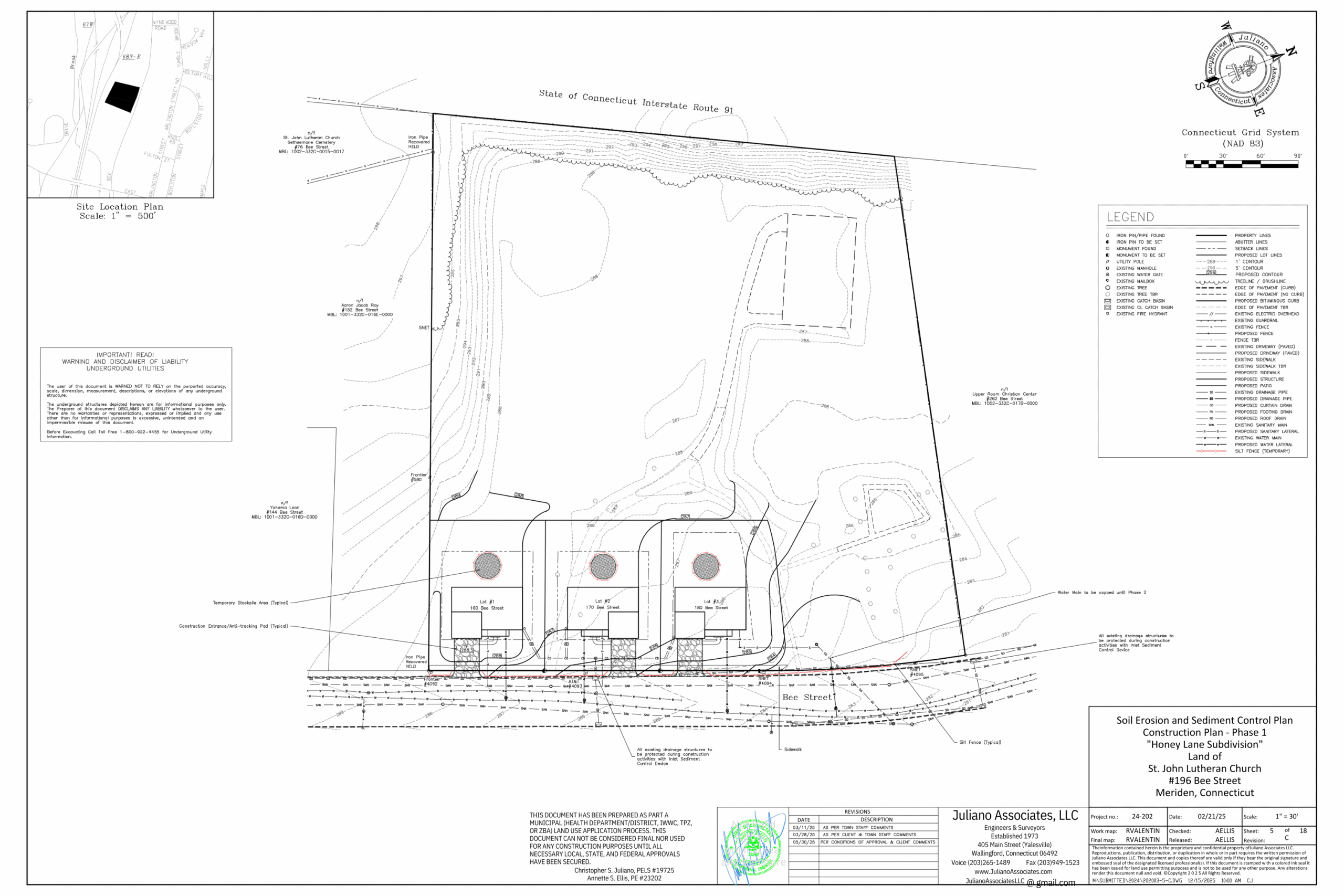

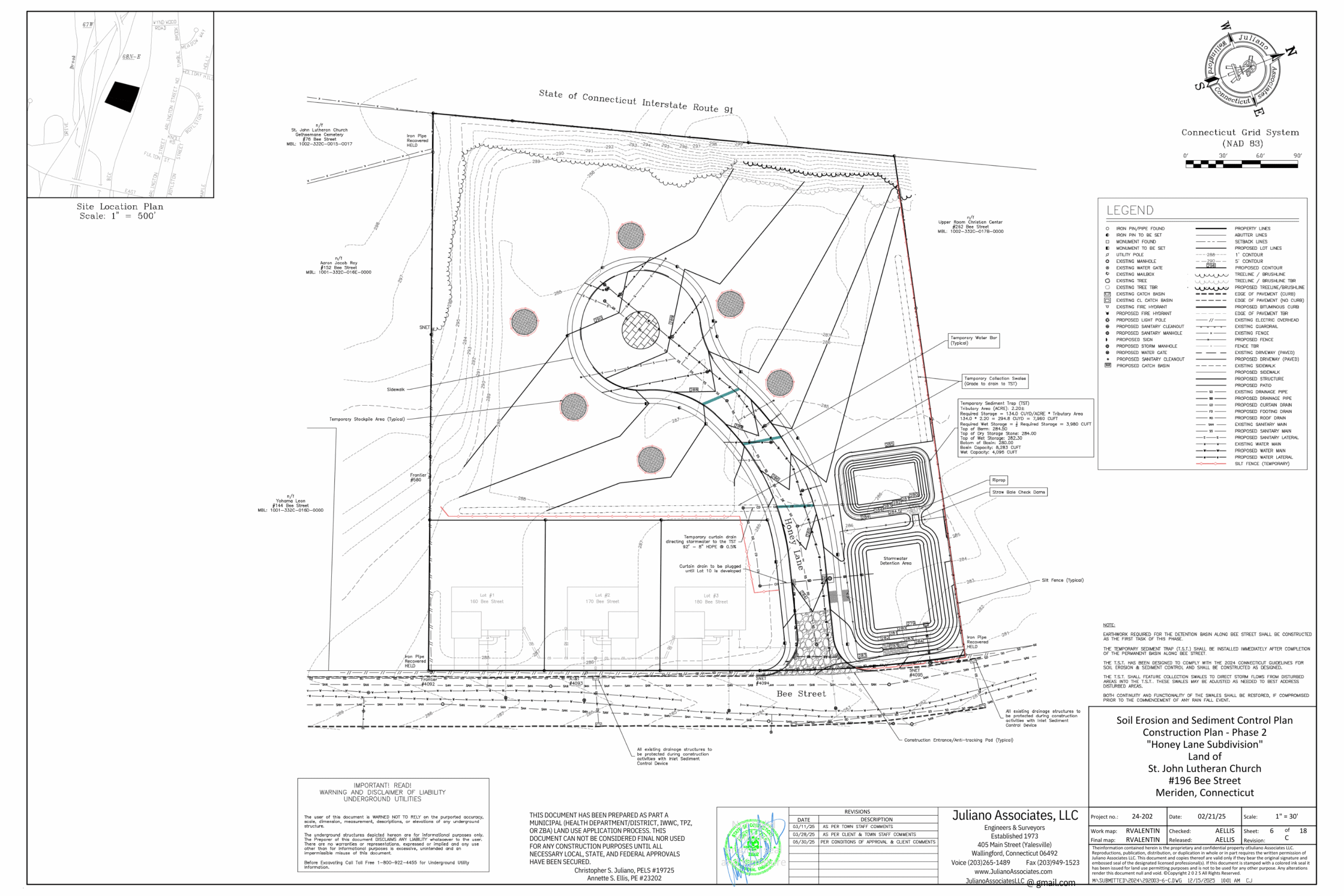
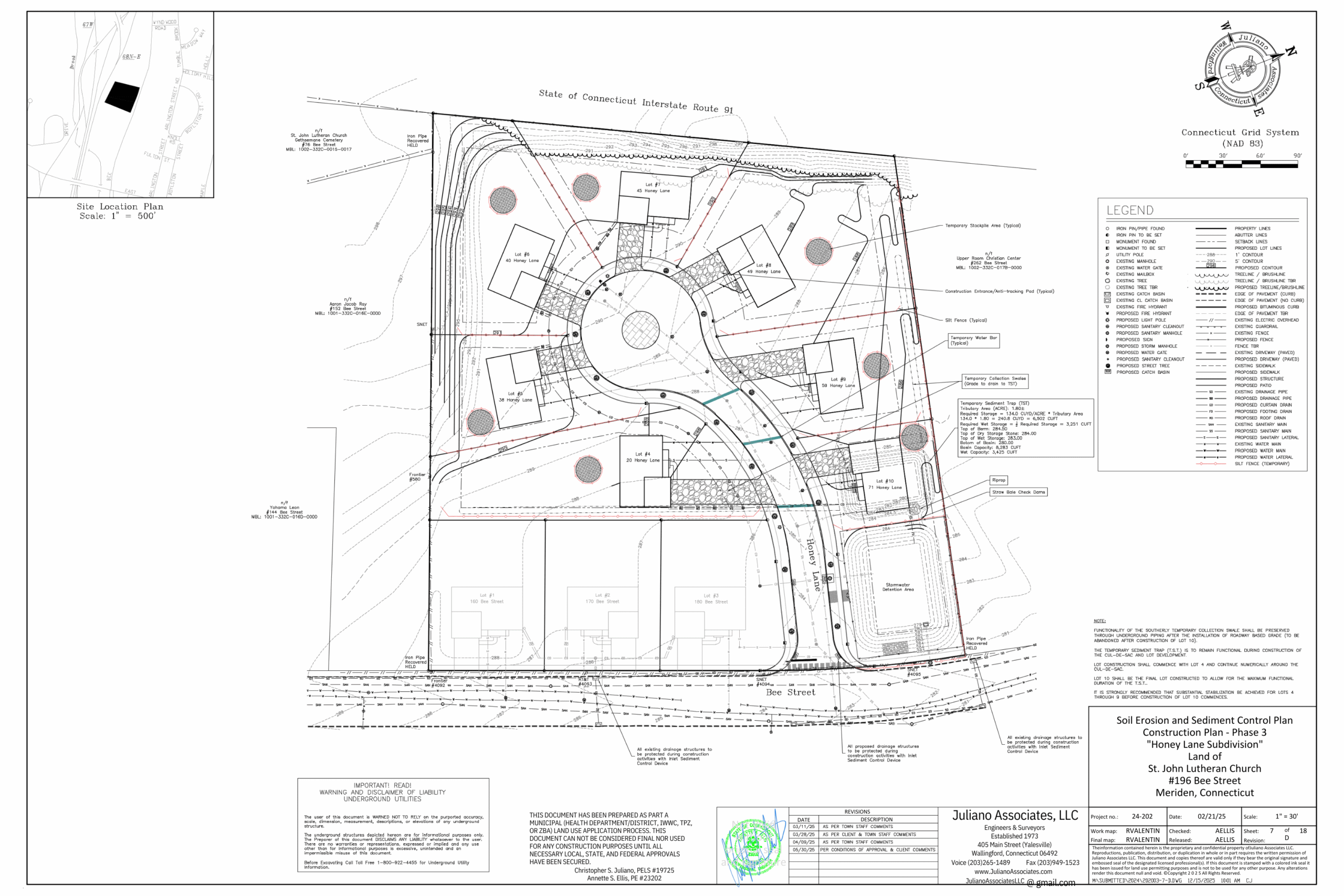

Subdivision Design
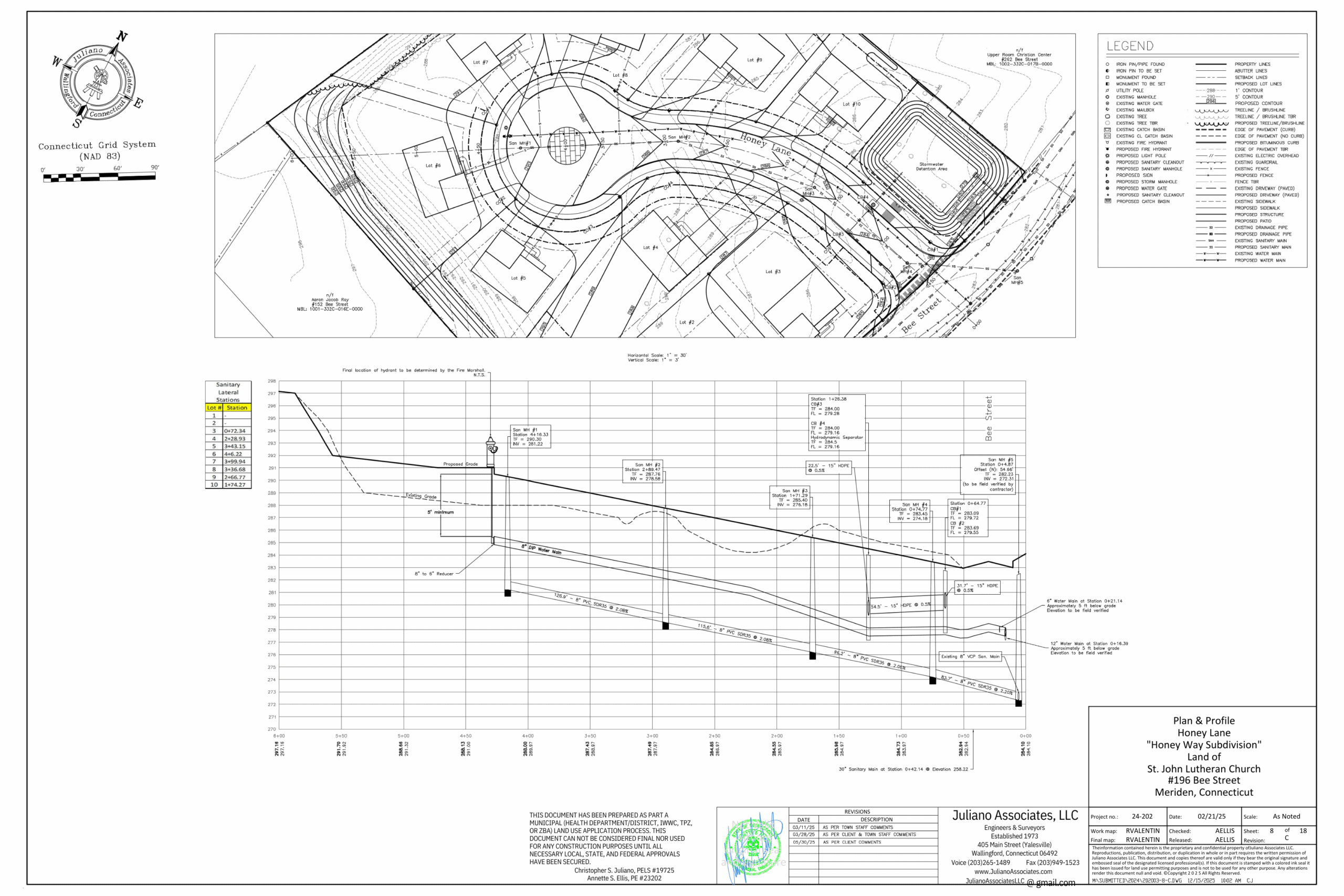
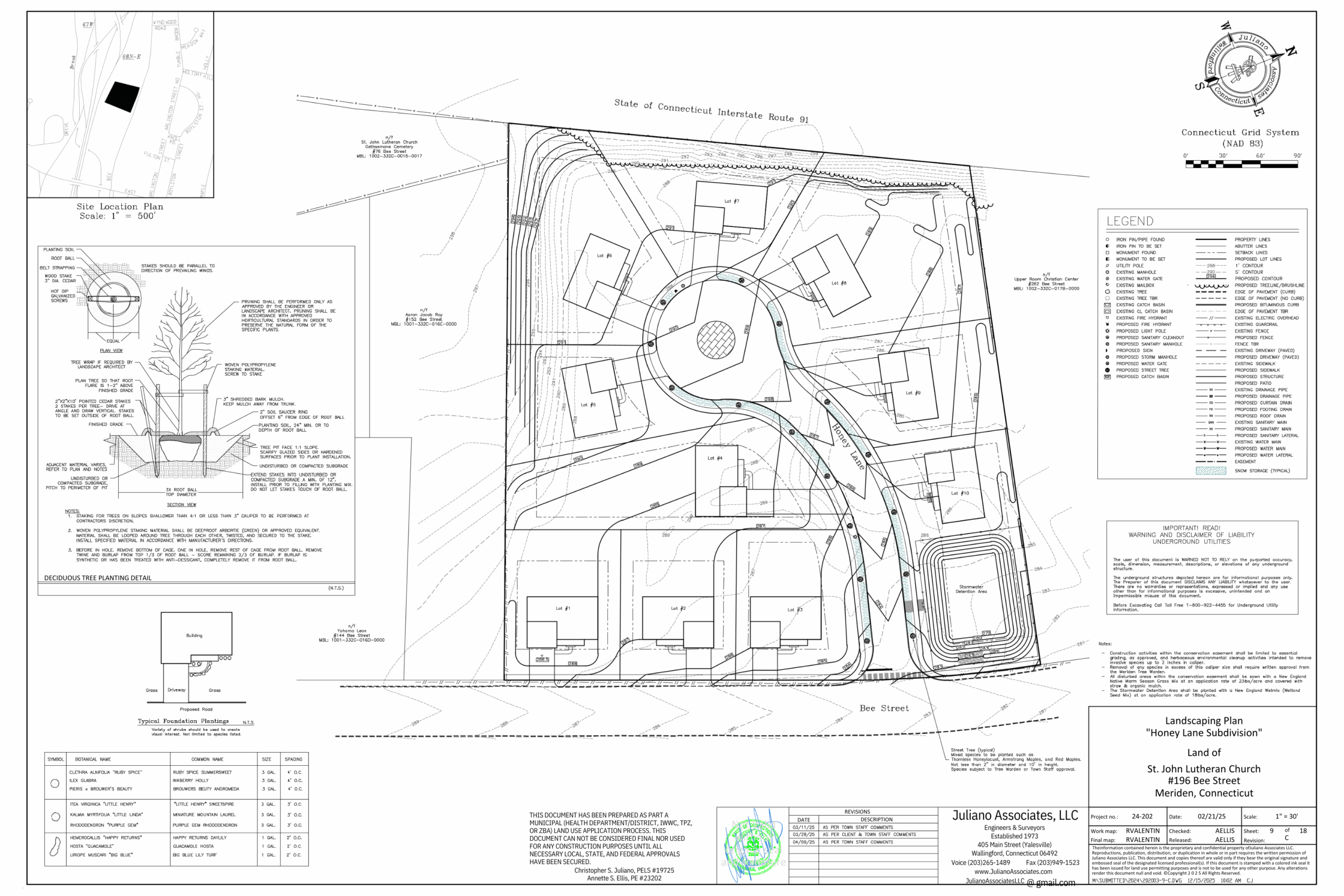
Subdivision design is the process of dividing a large tract of land into smaller parcels or lots for the purpose of development, such as residential, commercial, or industrial use. It involves a comprehensive planning and engineering process to create functional, sustainable, and legally compliant communities.
Key aspects of the design process include:
- Site Analysis: Studying the site’s environment, including topography, natural features, potential hazards (like floodplains), and surrounding land uses.
- Regulatory Compliance: Adhering to local zoning ordinances, building codes, and subdivision regulations that dictate minimum lot sizes, setbacks, and land uses.
- Infrastructure Planning: Designing and incorporating essential services, including roads, sidewalks, water and sewage systems, storm drainage, and utilities (electric, gas, communication lines).
- Layout and Connectivity: Creating an efficient layout for lots, streets, and common areas that ensures safe traffic flow, pedestrian connectivity, and access to amenities.
- Environmental Consideration: Integrating green spaces, preserving natural features, and implementing sustainable practices like effective stormwater management to balance development with environmental protection.
- Platting: The legal process of creating detailed maps (plats) that depict the final layout of the land split, which must be approved by local authorities and recorded as a legal document.
Ultimately, effective subdivision design balances the needs of developers, future residents, and the municipality to create a cohesive and functional community.
Stormwater Management
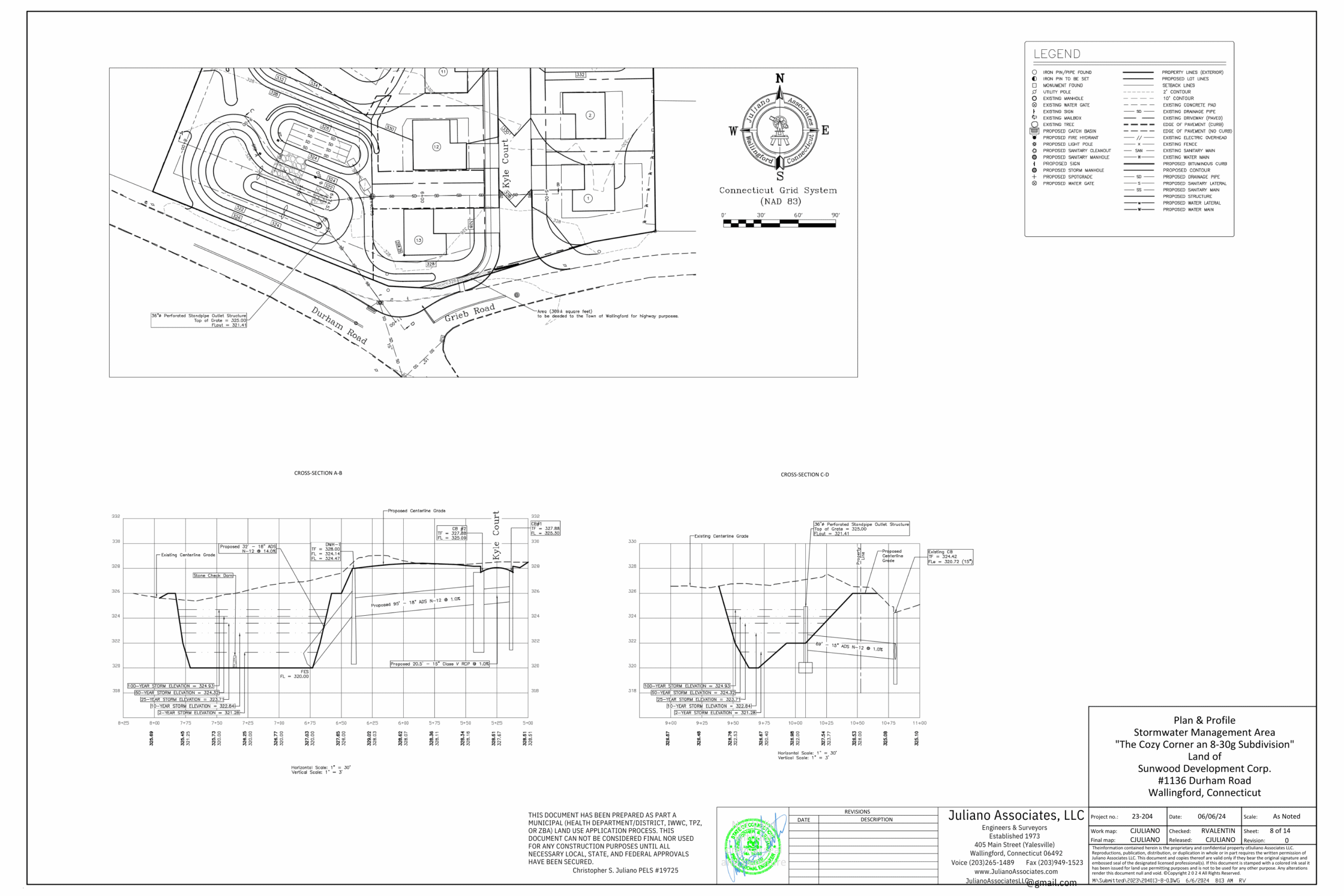
Stormwater design is the process of creating systems and plans to manage rainfall and snowmelt runoff effectively, primarily to prevent flooding and protect water quality. The goal is to control the flow and volume of water and filter out pollutants before the water reaches natural bodies like rivers and lakes.
Key aspects of stormwater design include:
- Mimicking Nature: Modern approaches, often called Low Impact Development (LID) or green infrastructure, focus on managing water close to where it falls by using natural processes like infiltration into soil and plant uptake.
- Controlling Volume and Flow: Engineers design systems to handle both common small storms (minor system) and rare major flood events (major system). This involves calculating predicted runoff volumes and peak flows using hydrological models.
- Integrating Site Features: The design process involves assessing the site’s natural topography, soil types, and existing vegetation to avoid or minimize the impact of development on the natural water cycle.
- Utilizing Management Practices: A variety of best management practices (BMPs) or stormwater control measures (SCMs) are used:
- Vegetated swales and rain gardens (bioretention areas) filter pollutants and encourage infiltration.
- Permeable pavements and green roofs reduce the amount of impervious surface area.
- Detention and retention ponds store water temporarily or permanently to regulate flow rates.
- Pipes, inlets, and manholes form the traditional “gray” infrastructure used to collect and convey excess water underground.
- Regulatory Compliance: All design work must comply with local, state, and federal environmental regulations, such as those set by the EPA’s National Pollutant Discharge Elimination System (NPDES) program, to prevent pollution and erosion.
Essentially, stormwater design is a critical part of site development that balances the needs of the built environment with the protection of natural ecosystems and public safety.
Retaining Wall Design
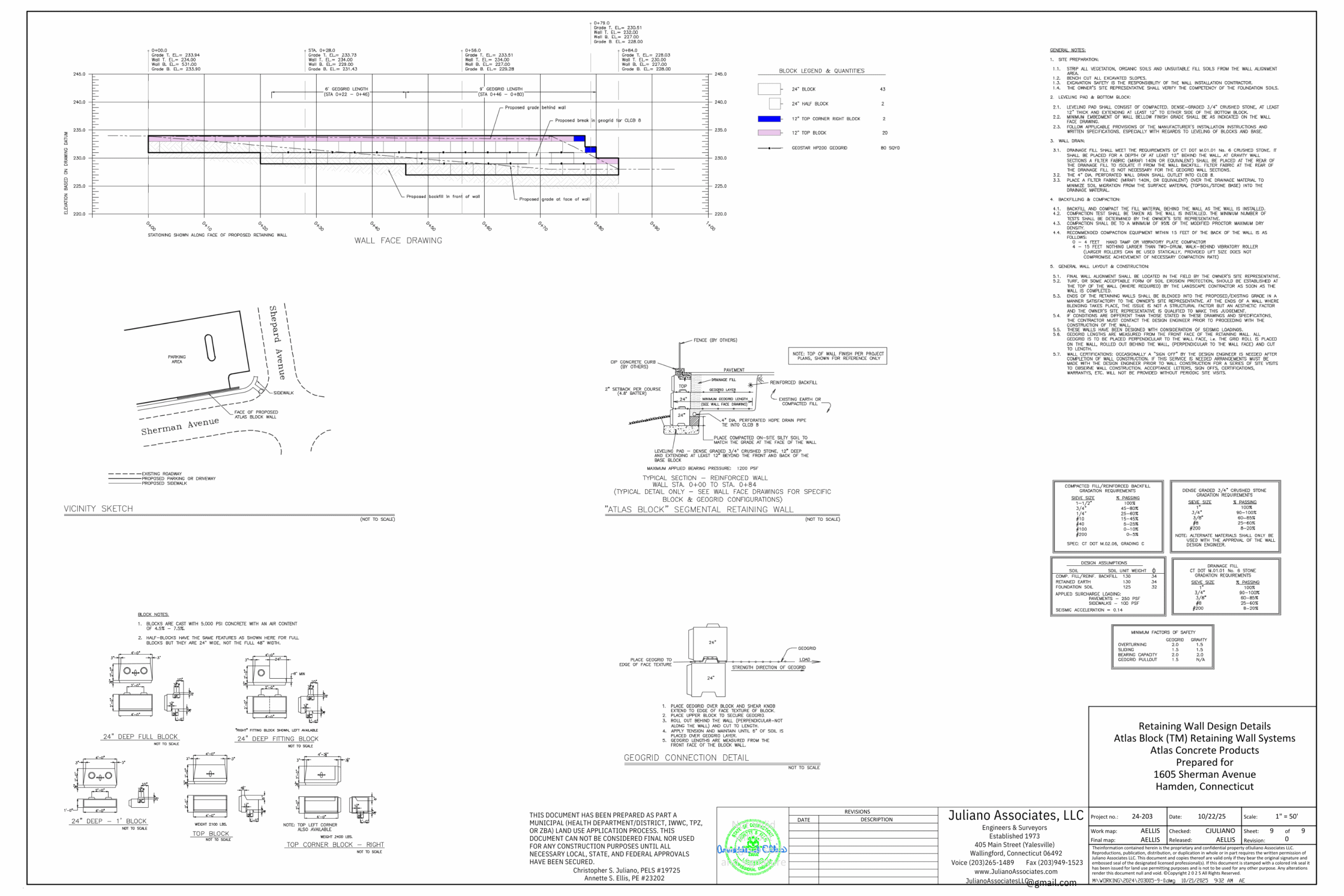
Retaining wall design is the engineering process of creating a structure that is both functional and stable, primarily to hold back soil and prevent erosion in sloped areas. The fundamental goal is to resist the lateral earth pressure exerted by the retained material, manage water flow, and ensure long-term stability.
Key aspects of the design process include:
- Understanding Forces: The design must account for the immense force of gravity and the horizontal pressure of the soil, especially when saturated with water (hydrostatic pressure).
- Drainage: This is arguably the most critical factor, as poor drainage is the primary cause of retaining wall failure. A successful design incorporates a free-draining gravel backfill and a perforated pipe or weep holes at the base to divert water away from the structure.
- Foundation: A solid, level base built on compacted ground is essential to prevent the wall from settling or shifting. The foundation should typically be wide enough to support the wall and deep enough to sit below the local frost line.
- Material and Type Selection: Walls are built from various materials, including concrete blocks, poured concrete, natural stone, or treated timber. The type (e.g., gravity, cantilevered, anchored, or reinforced soil) is chosen based on wall height, site conditions, budget, and aesthetic preference.
- Professional Expertise: For walls over a certain height (often 3-4 feet, depending on local codes) or those supporting a structure/driveway, a professional engineer is required to perform detailed structural calculations, including bearing capacity and sliding resistance checks, to ensure safety and longevity.
A well-designed retaining wall transforms otherwise unusable sloped land into functional, level space while protecting the property from potential soil movement and water damage.

Permitting
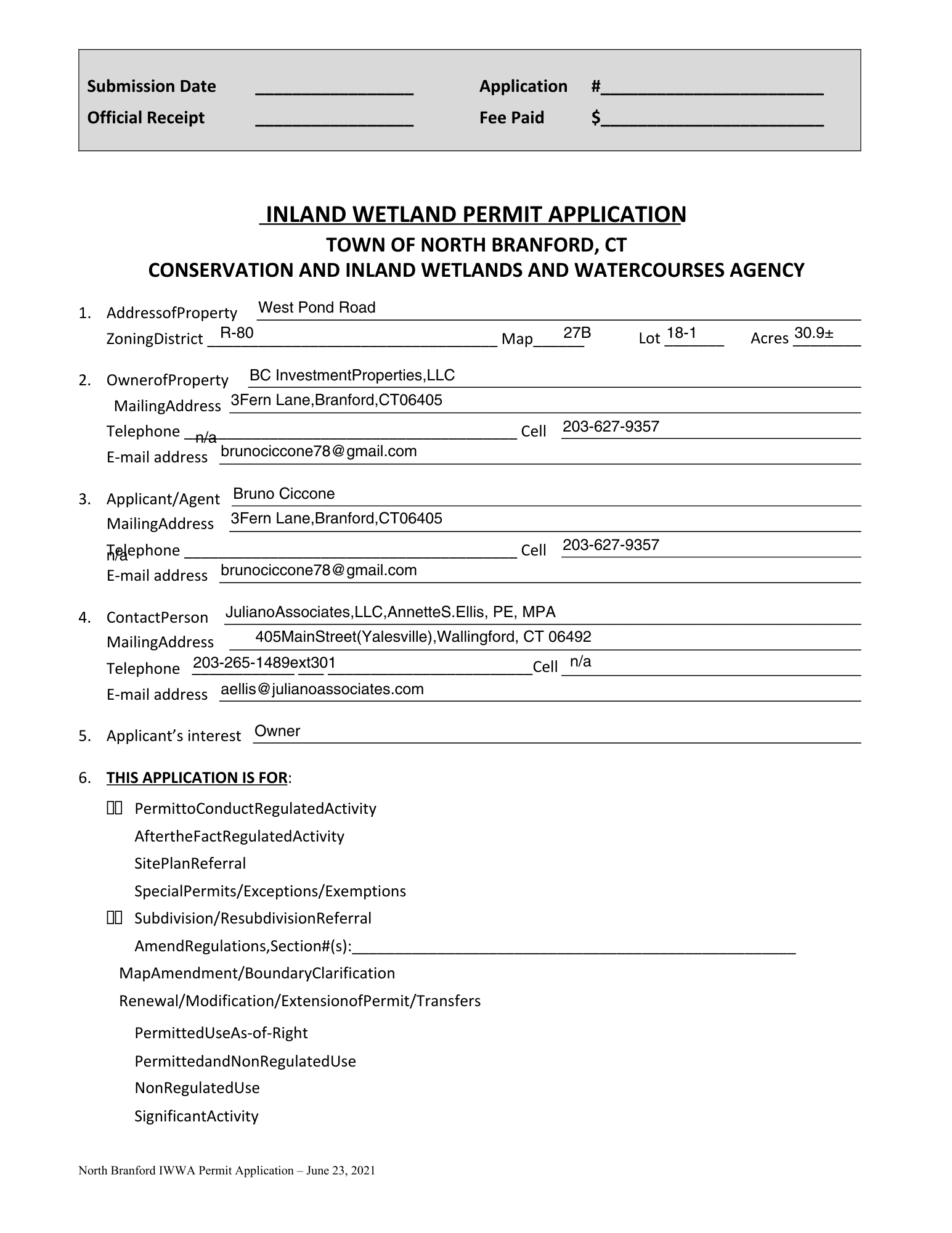
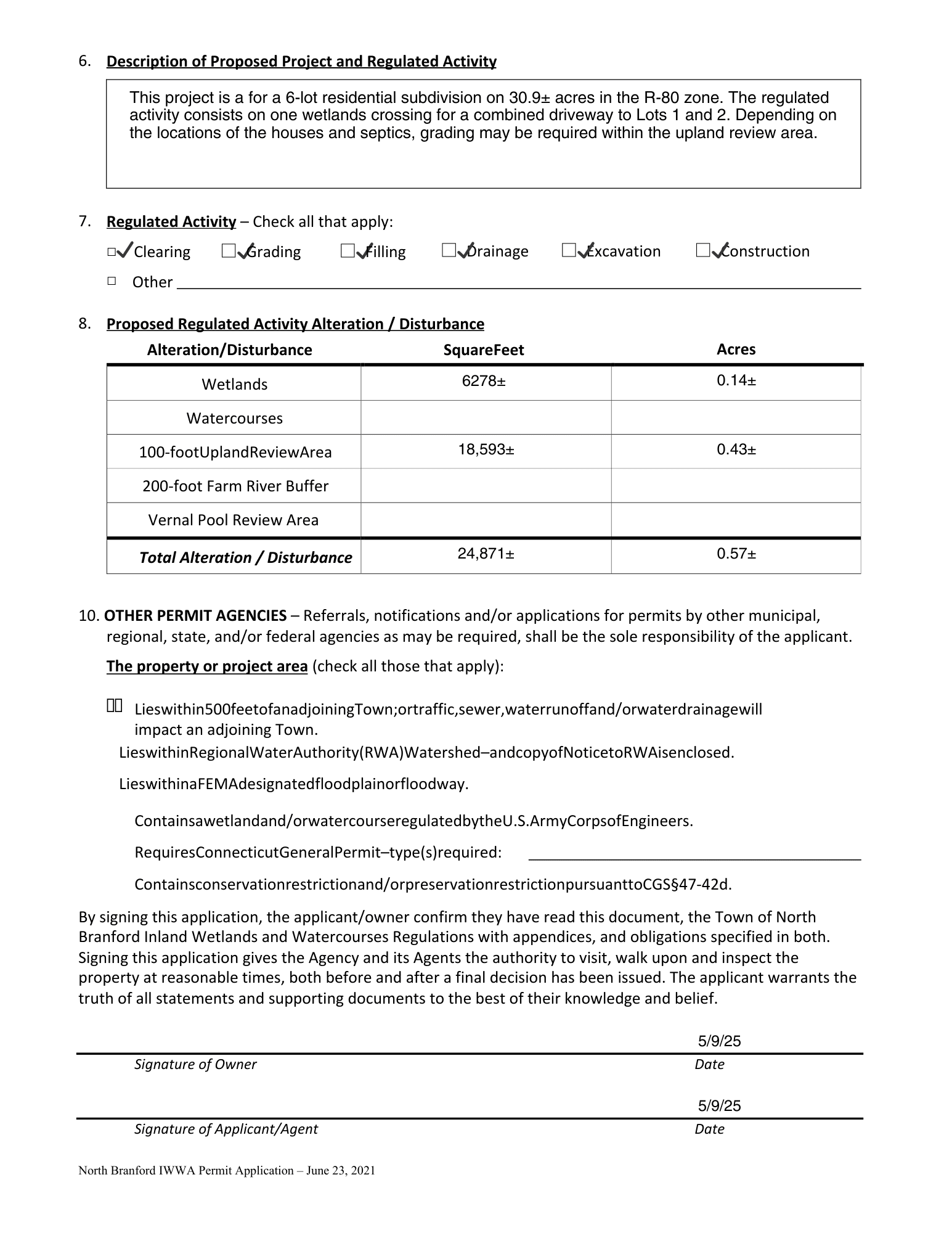
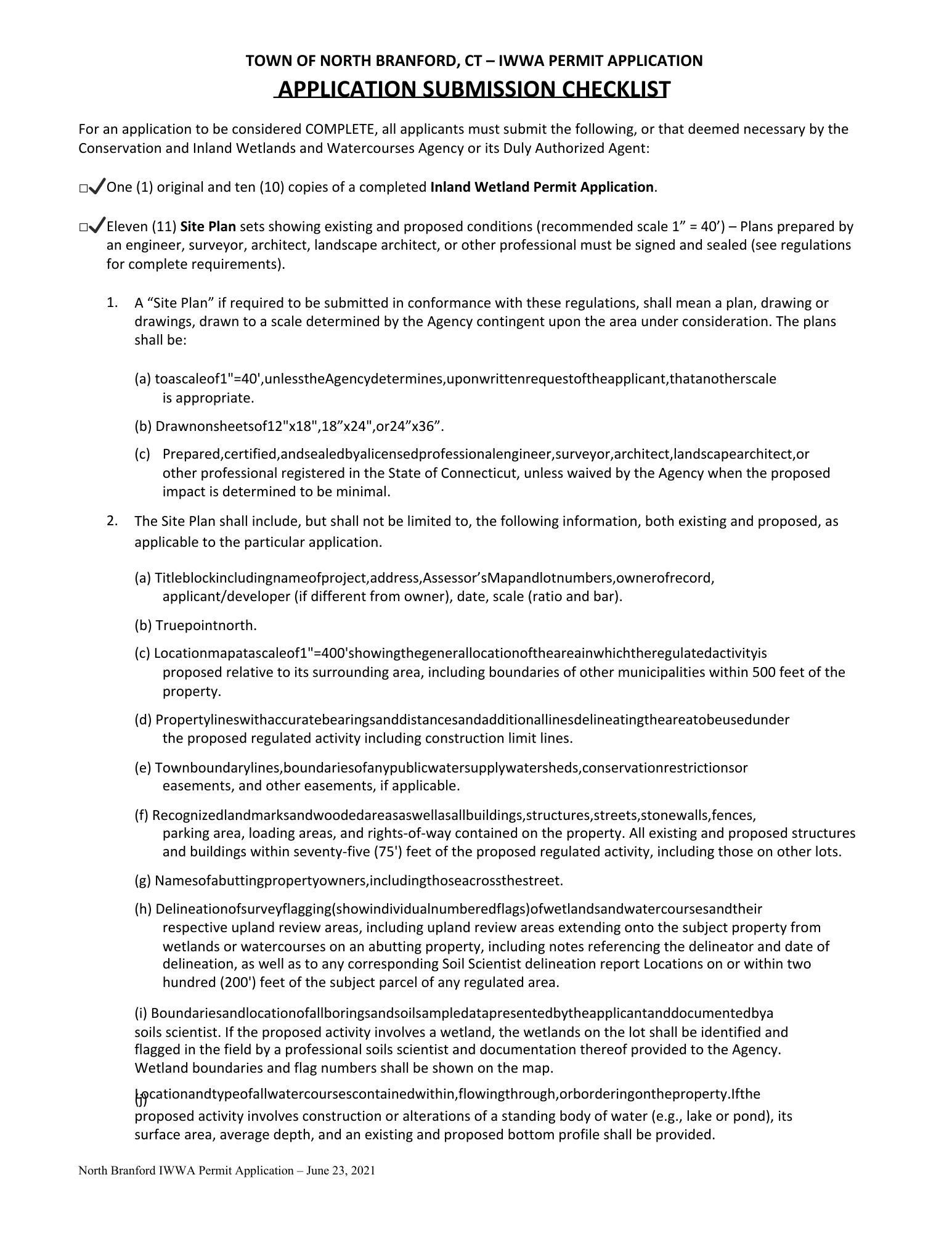
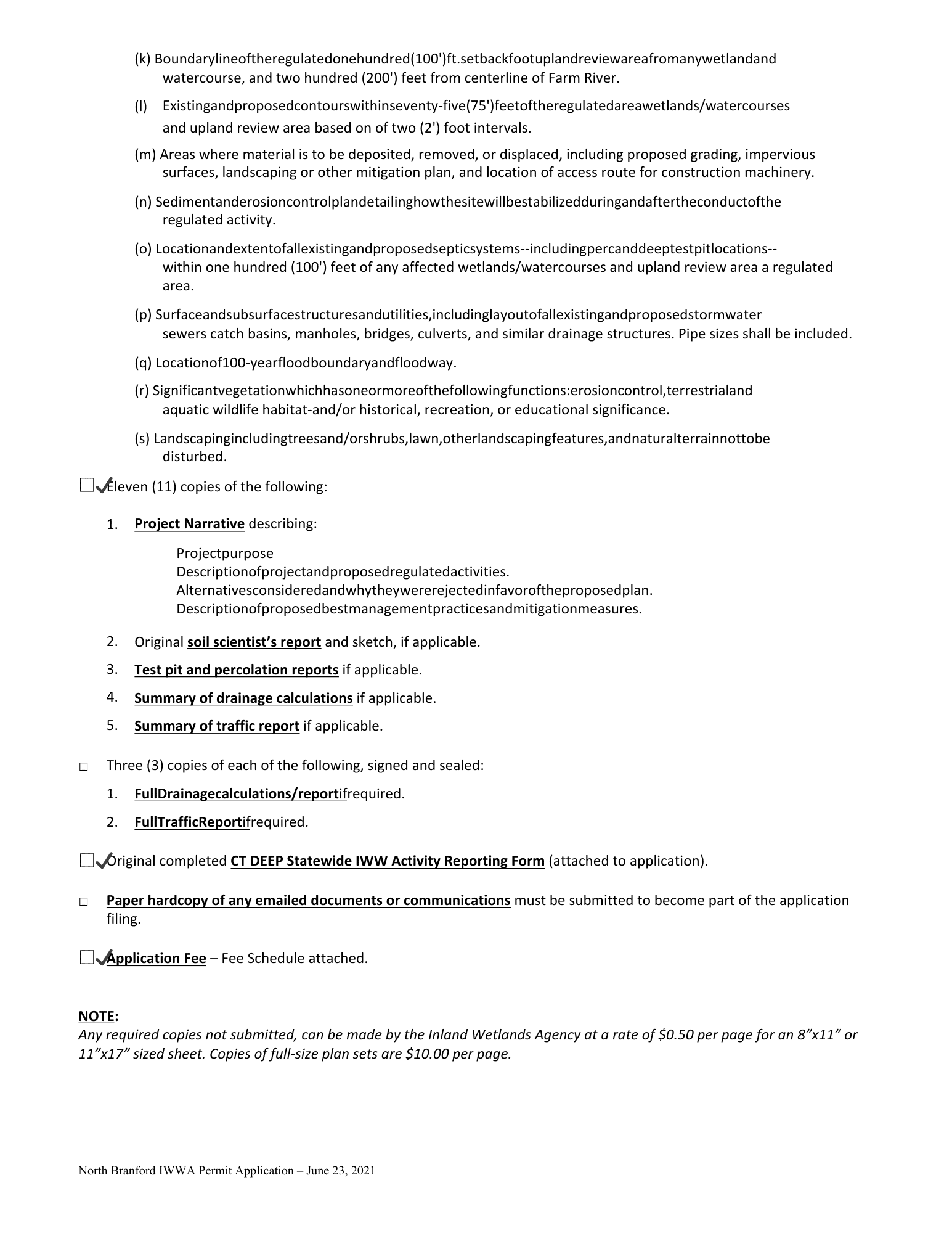
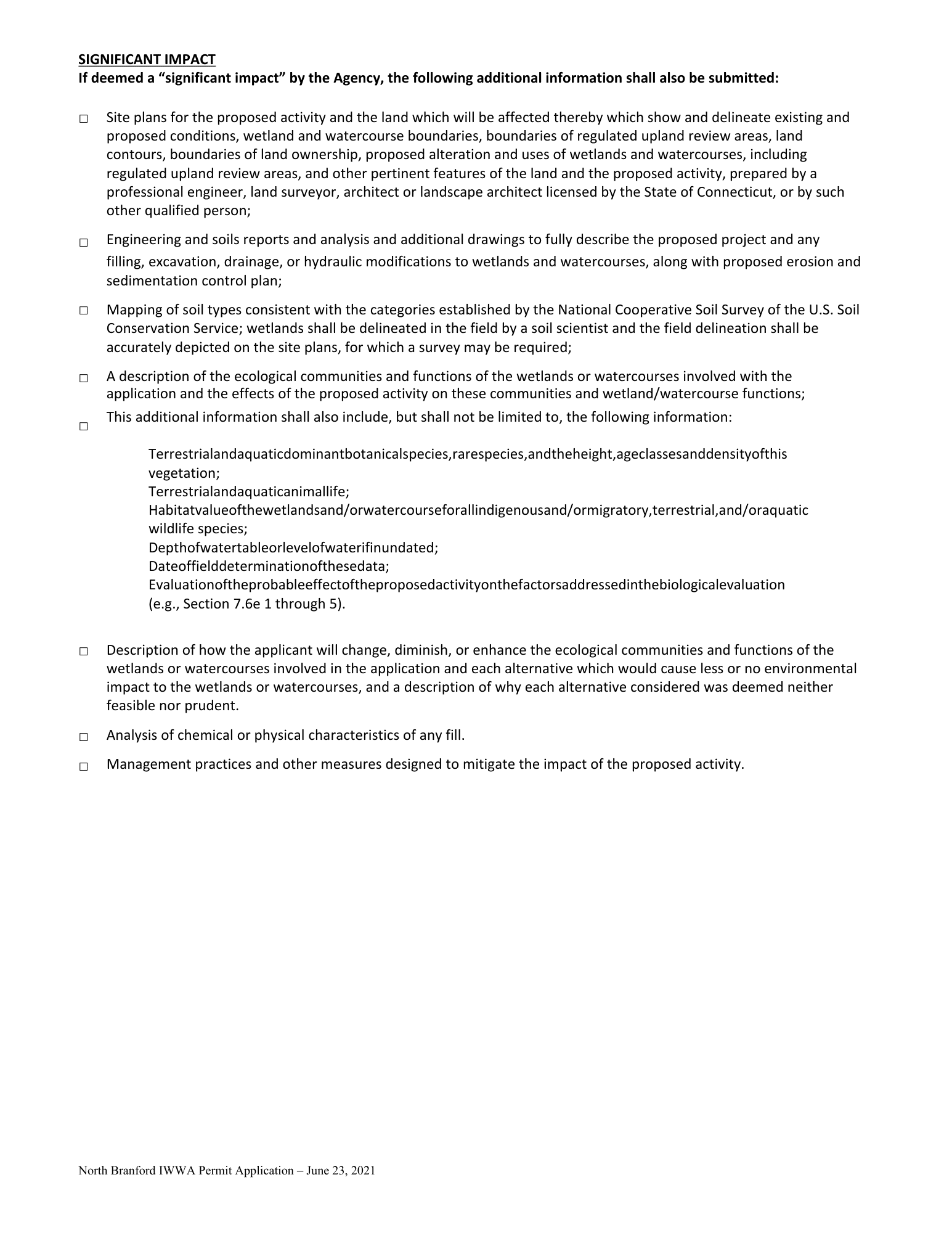
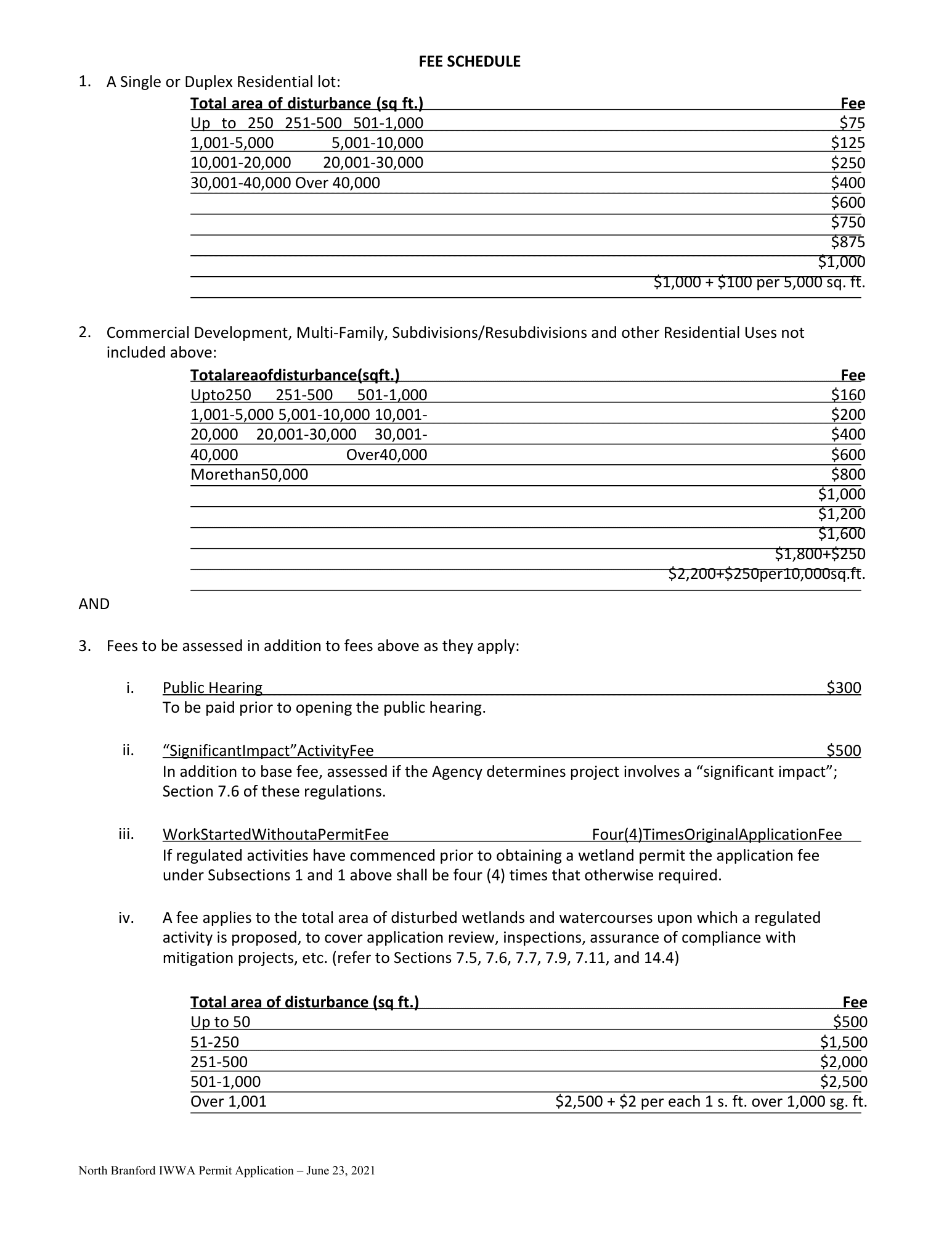
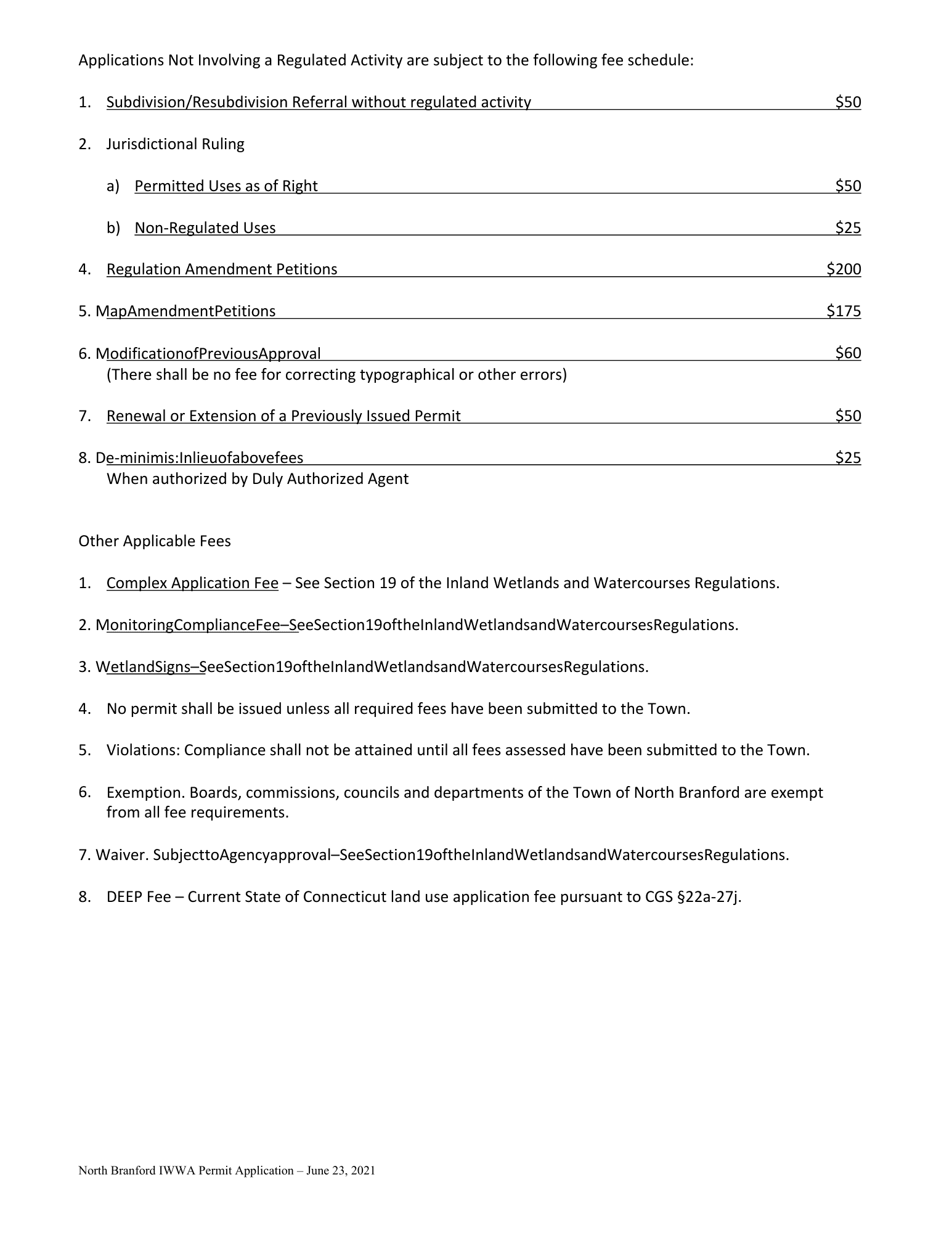
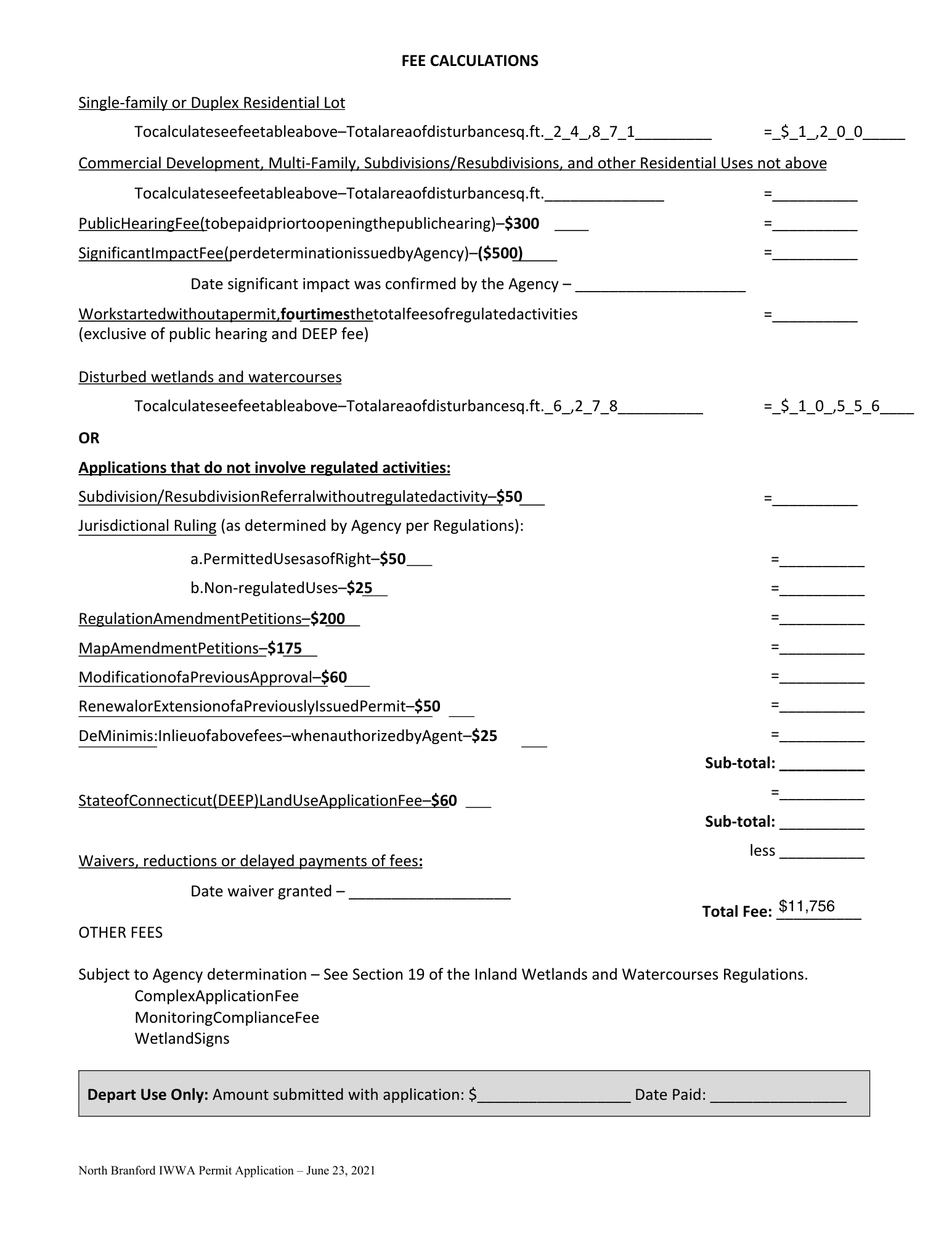
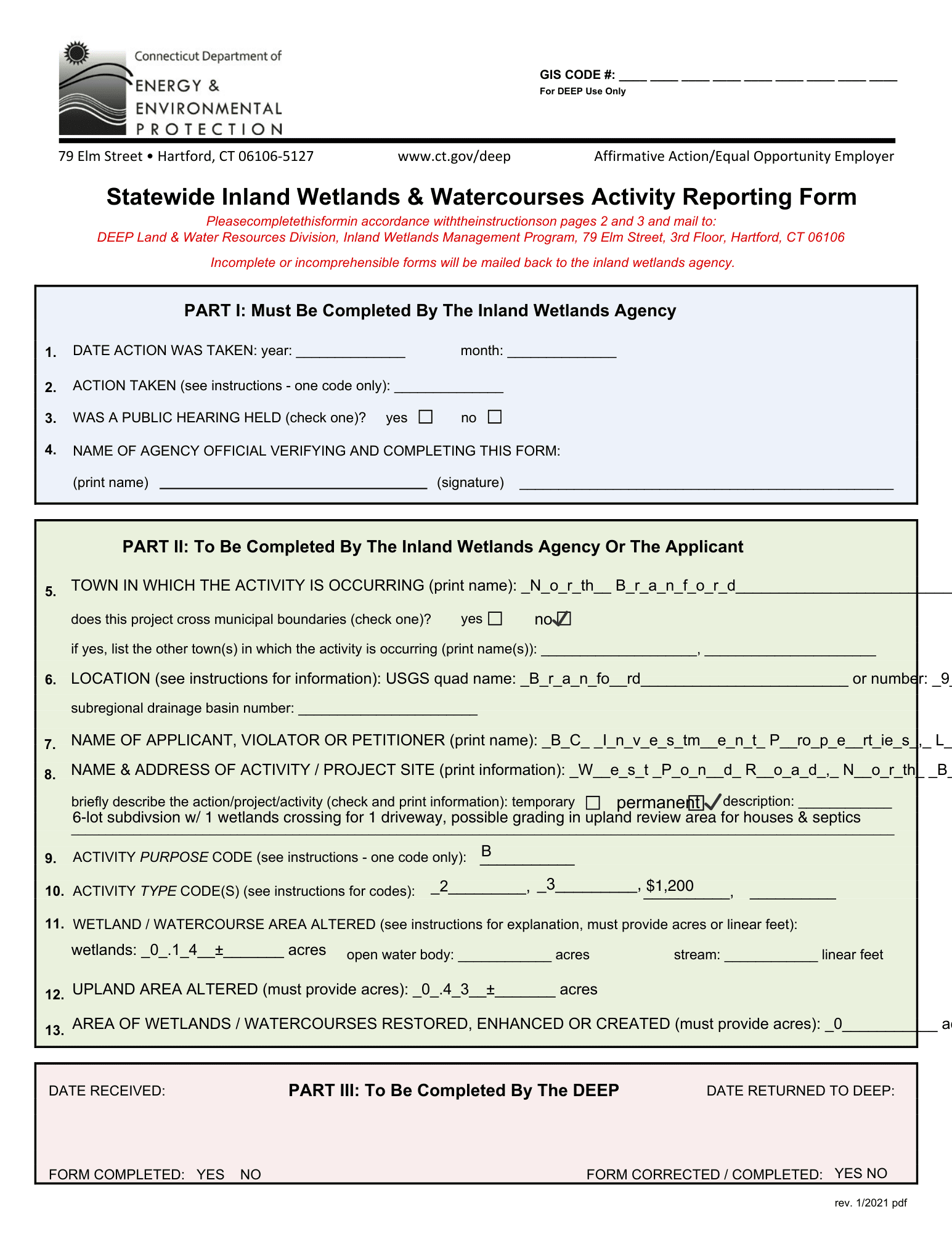
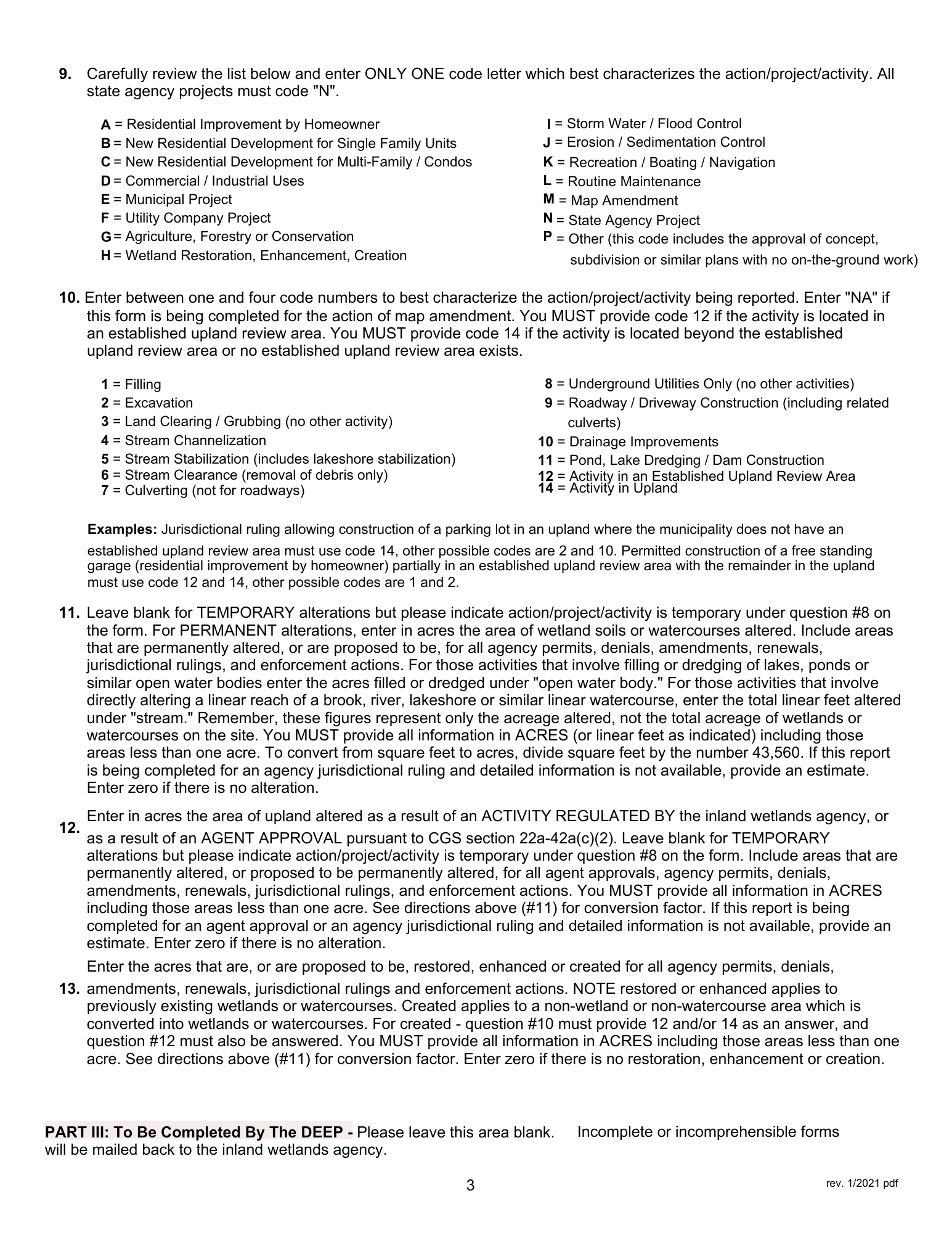
Land use permitting is the official process of getting local government approval to develop or change how a piece of land is used (like for houses, stores, or parks), ensuring the project follows zoning laws, environmental rules, and community plans for things like traffic, density, and utilities. It’s a crucial step for developers, involving applications for various approvals (site plans, special permits, variances) to demonstrate compliance before construction, balancing development with neighborhood and environmental health.
Key Aspects:
- Purpose: To regulate development, protect resources, and guide growth according to local master plans.
- Governing Bodies: Handled by local (town/city) planning boards, zoning commissions, and sometimes state agencies.
- Typical Requirements: Proof of compliance with zoning (heights, density), environmental protection (wetlands, stormwater), traffic flow, and utility capacity.
- Examples of Permits: Site Plan Approval, Special Use Permits, Variances, Wetland Permits, Stormwater Permits.
- Outcome: Ensures proposed uses (residential, commercial, industrial, recreational) fit within the community’s vision and regulations.